›

If you have a company in Canada, life insurance helps protect more people than just your family. The right insurance policy can support your workers, your business partners, and the future of the business that you made. This is important if your income changes, if you have debt connected with the company, or if your family relies on the value of your business. In this guide, you will see how life insurance works for a business owner. You will find out which insurance policy choices are most important, and how PolicyNinja can help you look at different options.

Life insurance is very important for business owners. It makes sure both your personal and business needs are protected. An insurance policy gives financial security if your family, staff, or business partners depend on you.
Many owners get business life insurance to keep their money stable. It helps pay debt, run day-to-day things, and makes any changes smoother when someone passes away. The death benefit stops your family from feeling too much stress and helps the business keep going without problems. The reasons below show where a life insurance policy matters most.
Yes, life insurance can help keep your business safe if something happens to you. It gives your family members money when they need it most. This means they will not need to make rushed choices in a hard time.
Many owners mix business money and personal money, even if they try not to. You may use your own savings, your home, or your pay to help build the company. If you die, this can put your family in a tough spot. They may lose income and have no idea what the business is worth. A death benefit can help your loved ones feel more secure and give them support.
That extra time matters. Your family members may need cash to pay for living costs, taxes, or short-term bills while the business is being valued, sold, or moved. With financial support and money in hand, they will not have to take a low offer for the business or sell it quickly under stress. They can make better moves with stronger financial security.
Business-owned life insurance is a setup where the company gets the coverage, pays the bills, and takes the money if the insured person dies. This is useful when you have debt or need to follow what a lender asks for.
When a company wants to grow, it might need credit to get new equipment, hire people, or keep up with bigger plans. If there is a business loan, your lender may ask for extra safety. An insurance policy can show you have a way to pay back what you owe if something happens to you. This helps with talks about money and lowers risk for all people in the deal.
This also protects the cash flow. With no life insurance, debts in the business can put pressure on your loved ones, your estate, or even the each company. When the money from insurance comes through, it can help pay off balances. It keeps your working money safe, and stops a short-term problem from getting bigger.
Life insurance helps with succession planning. It gives money when the business needs it most. That financial support can keep things running while the succession plan takes place.
If you handle sales, hiring, client connections, or plan for the future, your loss can affect income right away. The insurance company will pay the insurance payout to the person named in the policy. These funds can be used for payroll, finding new leaders, hiring, or training. This works the same way when a key employee is needed for the company to do well.
Planning early keeps people from panicking. A good succession plan that includes insurance can help with business continuity. It can protect customer trust and give surviving owners or family members time to decide what to do next. This may mean keeping the business, choosing new leaders, or getting ready to sell in a planned way.

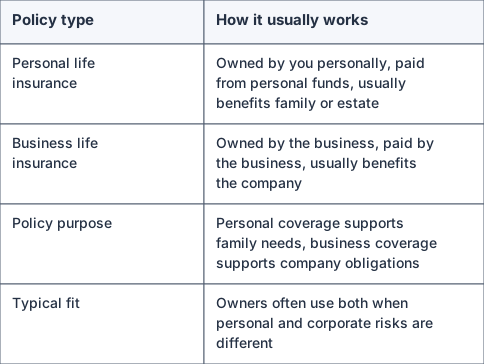
The main difference between these insurance policy types is who owns them and who gets the help. A personal life insurance policy is there for your family or your own things after you pass away. A business life insurance policy is there to protect the company or support a deal in the business.
If you are a business owner, you might need both. Personal life insurance plans help your family with home needs and bills. Corporate owned life insurance in Canada can help with business loans, your partners, or with who takes over next. In the next two sections, you will see how each life insurance option works. You will also see where business owners often find the biggest changes between them.
Business-owned life insurance works by placing the company in control of the policy. The business owns the insurance policy, pays the premiums, and is usually the beneficiary if the insured person dies.
Personal life insurance is different. You own the coverage yourself, choose your beneficiary, and the payout is generally meant to support family or estate needs. Business life insurance is built around company risks such as debt, partner buyouts, or continuity after a loss. Some owners carry each policy type because their personal and business obligations are separate.
For Canadian business owners, there are a few big ways life insurance can be different. These differences often be about ownership, why you buy the policy, and how you plan to use it. The right life insurance choice depends on what kind of risk you want to cover and how it fits with your whole financial picture.
Some life insurance products are made for family protection, such as family life insurance Canada needs. Other insurance products help the company itself. Permanent policies from an insurance company can also build up cash value, which can help with long-term planning. The same insurance company may offer both personal and corporate options, but they do different things and are not the same.
The best life insurance for a business owner depends on what risk you want to cover. Different insurance products help with different money problems. One policy does not cover all your needs.
Most people use business life insurance to help with buy-sell funding, protect a key person, support loans, share what you own fairly, and help plan for someone to take over the business later. These reasons can show how much coverage you need. They also help decide if term life insurance or permanent life insurance is better for you. Let’s go over each use in a simple way.
Business-owned life insurance gives cash to the company when one owner dies. That death benefit lets the other business partners buy the shares of the person who died. It keeps the company from losing money.
It is important because fast changes in ownership can unsettle the business. Family members may get shares but may not want to help run it. The other business partners may want control but not have enough money for a fair buyout. Buy-sell agreements set clear rules before anything happens. They help with a smooth transition when things get tense.
In Canada, owners look for buy sell life insurance Canada, buy sell agreement insurance Canada, partnership life insurance Canada, shareholder protection insurance Canada, and business succession insurance Canada choices. If you have ever asked how does buy sell insurance work, here’s the simple answer: the policy gives the funds the partners need, so the buyout can happen as planned, and ownership disputes become less likely.
Key person insurance is a type of coverage a business buys for someone whose loss would cause big problems for money, work flow, or customer trust. The key person can be a founder, important salesperson, expert, or another key employee with special knowledge. If that person dies, the company may lose money right away. Work may stop or slow down, customers could leave, and costs to find a replacement might go up. This policy gives the company an insurance payout that can help keep things steady during a tough time.
The money can help hire and teach a suitable replacement, cover lost income, or keep paying workers while the leaders figure out next steps. This is why key person insurance and key person life insurance are common for business continuity planning in Canada. It shows how life insurance can help make sure a business goes on when one key employee holds a pivotal role.
Life insurance can be used as loan collateral when a lender wants to be sure the debt will be paid back. This happens a lot with business loans meant for growth, buying equipment, or paying for other big things.
A lender will look at how much the loan is, the owner’s job, and how strong the company is. Sometimes, a permanent life insurance policy with cash value can give you more options. Term coverage can be used, too, if that is what the lender needs. The insurance company will explain how the assignment works.
Here are common reasons owners use a life insurance policy this way:
Life insurance can help with succession planning. It makes cash available to help you carry out your wishes. It also helps with estate planning when some family members get the business and others do not.
This can be tough on the family. One child may work in the company and be ready to take over. Other family members may want equal shares of the estate. Life insurance gives you funds to use. This can make outcomes fair without having to sell business assets. It helps keep financial stability and may cut conflict in a tough time.
Coverage also helps with fair market value when shares or business parts change hands. Every family and every company is not the same. Start with general tax and legal points. Always talk with an accountant or legal advisor. Get those facts clear before final decisions.
For most owners, the biggest life insurance options are term life insurance and permanent life insurance. Both give insurance coverage, but they meet different needs and work for different budgets.
A business owner may pick term life insurance to cover something with a set risk, like a loan or the first years of growth. Permanent life insurance may be better for bigger goals, like estate planning or building up wealth. If you want to compare term vs whole life insurance Canada options, the next parts will show you how to choose a policy that fits your business stage.
Small business owners need to find an insurance policy that fits the risk, timeline, and budget. When the cash flow is tight and the need is short-term, term life insurance is often the right life insurance policy.
This type of life insurance works well for startups, new owners, or founders who have debt in the first years. It is often used to cover a loan, keep a partner deal safe, or help dependants while the small business grows. If you think about when to buy life insurance, most owners get it when they take on debt, hire people, or bring in a partner.
In Canada, you may see term to 100 life insurance or products from a term life insurance company talked about when people compare options. The main point is simple: does the insurance policy fit your financial goals for a set time? If it does, term life insurance can be a good way to start.
Permanent life insurance can be a good choice for business owners who want coverage that lasts their whole life and helps with planning. It is most often picked when someone needs more than short-term protection.
Whole life insurance and universal life last as long as the policy rules are followed. These types of life insurance usually have a cash value that can grow over time. This cash value is nice for owners who want to keep wealth, plan for their estate, or build long-term financial security. Universal life insurance is sometimes described as permanent life insurance that has more flexibility.
Permanent coverage may work for you when:
Yes, a business owner can get tax benefits from life insurance owned by the business. The exact details depend on how it is set up and your own situation. It's good to start simple and talk with an accountant before doing anything.
Some permanent life insurance can build up cash value that grows without tax right away. If the owner dies, the money paid out can help with future plans. There may be links to capital gains tax, estate concerns, and company plans. Next, we talk about the capital dividend account and some key things you should talk through with your accountant or advisor.
The capital dividend account is a corporate tax concept that can matter when a corporation receives life insurance proceeds. At a high level, part of an insurance payout may be added to the capital dividend account and then paid to shareholders as a tax-free capital dividend, depending on the facts.
This is one reason corporate coverage gets attention in Canada. For a business owner, the result can support estate and succession planning in an efficient way. Still, the treatment depends on the policy and the company’s records, so broad ideas are safer than exact promises in a general guide.
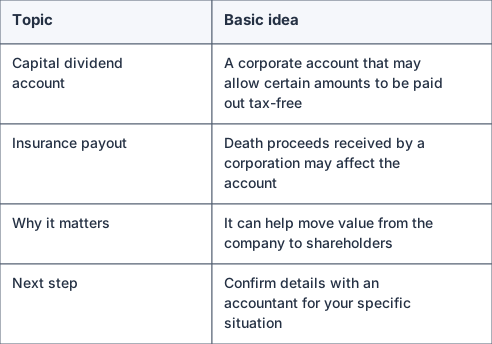
Tax-efficient ways to handle this do exist. But, it will depend on who owns the policy, who the beneficiaries are, and the type of policy you have. That is why it is good to get advice before you do anything.
Some owners use permanent coverage in their estate planning because of how cash value can grow and how death benefits may move through a company. Others want to protect themselves from debt or need funding for a buyout. The best choice will depend on your specific situation, how your company is set up, and what your goals are. General information helps, but it is just the first step.
Talk to an advisor if:
To set up life insurance as a business owner in Canada, start with one thing. Figure out what risk you want to cover, how much money you need, and who will own the policy. This will help you pick the right type of insurance.
Next, look at insurance coverage and check how you want the policy to be owned. Work with a licensed insurance agent or advisor to help you. PolicyNinja is a good website to compare plans from many Canadian insurers. You can also use it to connect with a licensed advisor. The process is easy when you know what you want to do.
If you want to buy life insurance as a business owner, you need to gather your money details, pick who will own the policy, and fill out forms from the insurance company. This process can be easier if you know if you need the policy for yourself, your business, or both.
A new business might start with coverage that just pays off debts or helps the family. As the business grows, you may want to cover your partners, top employees, or plan for your business after you are gone. No matter what, it is good to look at different insurance companies before you decide. PolicyNinja can help you compare life insurance for entrepreneurs Canada and talk with a licensed expert so you do not have to guess what to do.
Typical steps include:
Your insurance coverage needs to change as your business grows. Things like new debt, hiring more people, bigger contracts, and more owners can all make financial risks go up.
When you start, owners often look for simple protection that does not cost too much. Later, they start to think about keeping the business running, their key staff, and who will take over the business. Your cash flow can get better as the business grows, and that lets you look at more choices for protection. Because of this, the policy you had three years ago may not work now, or might not fit your biggest needs.
Check your coverage often and right after big changes. Getting a new loan, joining with a new partner, or having more money in the bank can change your financial goals. If you want to compare affordable business insurance Canada options, you can use a business insurance advisor Canada service like PolicyNinja to look at many insurers at once. This way, you stay focused on the big picture while finding what you need.
To sum up, knowing why life insurance matters for business owners in Canada is key to keeping your money and personal life safe. Life insurance can help with debts and also keep your business running if something happens to you. It brings peace of mind and gives you some smart ways to handle problems.
You can pick term or permanent life insurance. Both offer something that can help your business stay strong and build a good legacy for the future. As your business grows, your coverage needs may change. So, it's important to keep up-to-date and take action when needed.
If you want the best plan for you and want to see many options from Canadian insurers, visit PolicyNinja. Get your quotes today. The choices you make now help shape your future.
Personal life insurance is to help your family or estate if something happens to you. Business life insurance is for your company, or it can help cover what the business needs. If you are a business owner, you will find that each policy type has its own job. Many people use both kinds to keep their money safe at home and at work.
Yes, business-owned life insurance can give tax perks in certain cases. If you are a business owner, you might get cash value growth with some permanent life insurance policies. There are also ways to plan linked to the capital dividend account. Because rules change based on how your business is set up, check with your accountant or advisor to be sure.
Start by checking options at PolicyNinja and talk with an advisor who has a license. If you are a business owner, you can look at life insurance plans from many Canadian companies. You can talk about who will own the policy and what you need for coverage. You will get help with filling out and sending your application. If you are looking for a life insurance broker near you, go to policyninja.co.

Cindy David, CFP, CLU, FEA, TEP, is President & Estate Planning Advisor at Cindy David Financial Group Ltd. in Vancouver. A recognized leader in wealth management and estate planning, Cindy guides clients with strategic, tax-effective solutions while championing innovation and women’s leadership in the financial industry. She is the former Chair of the Conference for Advanced Life Underwriting (CALU) — Canada’s professional association for senior life insurance and financial advisors that advances education, advocacy, and best practices in advanced planning and public policy.


