›

If you have a small business in Canada, one accident or claim can end up costing a lot. A customer might slip, get hurt, or maybe you damage something a client owns. Someone might even sue you for your work. This can put stress on your cash flow and make it hard to keep the business running right. That’s why commercial liability insurance is so important. It helps a business owner deal with risk and keep things going every day.
In this guide, you will see what commercial liability insurance in Canada covers, who should think about getting it, what changes the price, and how you can look at different choices.
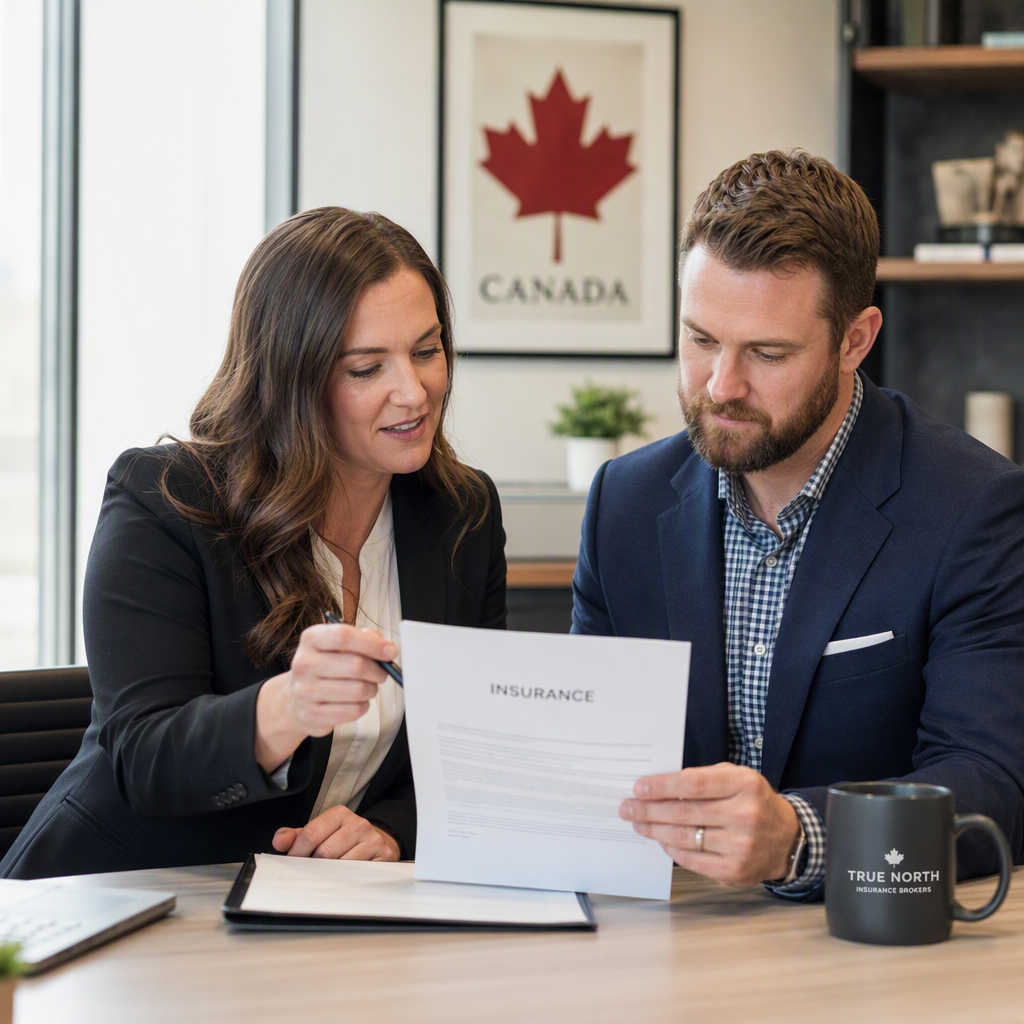
Running a company means you have to talk with the public, clients, vendors, and other businesses. This can bring risk, even if your business operations go well and you do all you can. Even a small accident could cause a claim, bring legal costs, and take you away from work.
For many Canadian companies, getting a liability insurance policy is a smart part of business insurance. It can help lower the money you lose from claims that are covered and give you the help you need when things go wrong. The next parts will show where the risk can come from and how this coverage helps you.
Even if you are careful, your business can face liability risks. You might have customers come into your shop, go to visit client sites, rent an office, or sell things using the internet. Any of these things could cause a problem that leads to a claim. When that happens, it is not just about paying for the damage. Legal fees can go up fast, too.
Liability coverage helps you handle third-party claims that come from the work you do every day. This can really help a growing business that needs to watch cash flow and keep moving forward.
Common risks include:
That is why a lot of owners add this coverage as part of a bigger risk plan. They often pair it with protection for commercial property or business interruption if they need it.
Small teams usually work with less money set aside for any surprise costs. One claim can make things hard when you are trying to build up your business, hire people, or get new clients. Because of this, many business owners want affordable coverage. They want something that will protect them but not make the policy too big for where they are right now.
Commercial general liability insurance is helpful for startups and small companies. This type of business insurance helps them deal with common claims from other people. General liability insurance is often one of the first types of business insurance that owners look at. It covers basic risks that come from working with the public. If you deal with customers, suppliers, or landlords, this is important.
Some companies may also want to get business interruption insurance, professional liability insurance, or commercial property insurance. The right mix of coverage is not the same for everyone. What you need will depend on your contracts, where you are located, what services you offer, and how you run your business. Your needs can change over time.
Real-life situations help show this better. Picture a customer walking into a restaurant who slips and falls. They get badly hurt and decide to sue. Or think about a plumber on the job at a client's house who accidentally makes a leak worse. Water spreads and causes damage. These are just some of the ways liability claims can get very costly in a short time.
Sometimes there can also be cases about advertising injury. An online skincare shop could deal with a claim from someone saying they saw false ads. Even if the business owner wins in court, the legal fees still add up.
Typical situations include:
For a business owner, this is why business liability insurance Canada matters. It is not only there for disasters. It helps with everyday things that might lead to big bills.
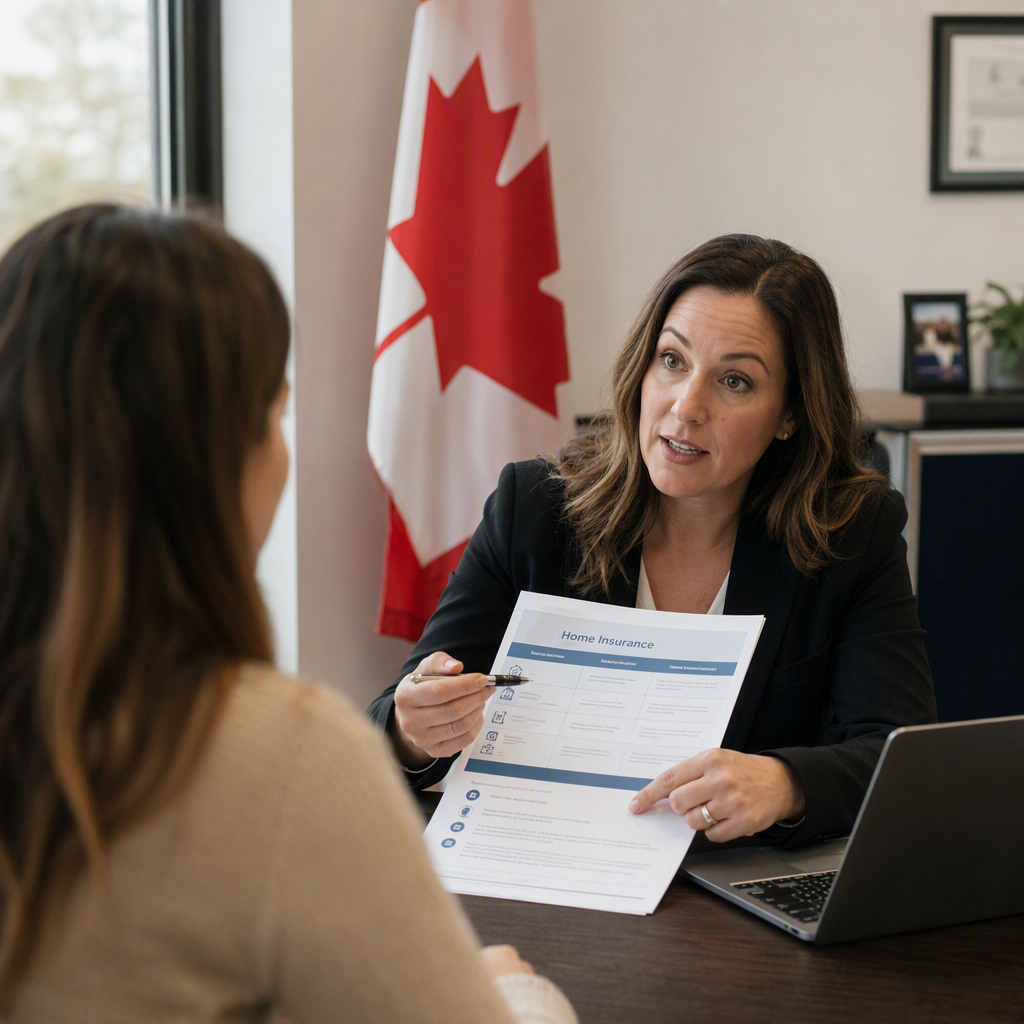
At a basic level, general liability insurance helps protect your company if someone brings certain claims against you. This can be for things like property damage or bodily injury. It may also help pay for your legal costs if your business is responsible. These are some reasons why many Canadian companies need this type of business insurance.
This coverage can go further. It can also help with things like personal and advertising injury, product liability, or tenant’s legal liability, based on what is in your plan. Still, liability coverage does not cover everything. You need to know what is included and what is not. This will help you choose the right policy for your needs.
Many of the top liability claims are about property damage or bodily injury. The risks are simple, and they can happen in stores, offices, restaurants, job sites, or rented workspaces. When a third party says your business caused harm, their claim may be handled by commercial general liability insurance.
For example, a customer can slip on a wet floor and get hurt. This is a type of bodily injury. The same thing can happen if someone gets injured by a hazard at your business premises. Property damage can also happen if your employee damages a client’s wall, floor, or equipment when doing work.
These liability claims are important because even small accidents can cost a lot of money. You may have to pay for medical bills, repairs, and dispute costs. In Canada, businesses that deal with the public or do jobs at different places need to look at these risks first. When picking general liability insurance covers and limits, these risks are reviewed before anything else.
One big reason businesses get liability coverage is the price to respond to a claim. Even if your company is sure it did nothing wrong, it can cost a lot to prove it. Legal costs can start long before you have a final answer.
When a covered third party claim goes to court, the insurance policy may help pay your legal fees to defend your business. If the court says you must pay damages, the policy can also pay for those, up to the policy limits. This helps protect your cash flow.
This help is important for a small company, consultant, contractor, or retailer. One lawsuit can put pressure on your savings and money coming in. When you have the right insurance policy, you are better ready for the money side of the fight, not just the claim.
Liability coverage can be useful. But it does not pay for every type of loss. Each liability insurance policy comes with things it does not cover, called exclusions. There are also spending limits to what the insurance will pay. If you do not know about these limits, you may think the insurance will protect you when it may not. So, be sure to read the words in the insurance policy.
Not all claims are paid by standard commercial general liability. Some fit better in other insurance policies. For example, if you have a loss with a business car, commercial auto insurance will be the one to pay. CGL insurance Canada does not pay for that. If someone gives wrong advice, it can fall under professional liability insurance.
Some things most insurance policies will not cover are:
When you pick an insurance policy, make sure it fits your real business operations. If you look at different commercial insurance Canada options, see where extra plans may help. You may need more coverage like cyber insurance, professional liability, or commercial umbrella insurance if you do higher-risk work.
There is not one policy that works for every business. There are different types of business insurance, and each one covers a different kind of risk. The type you need depends on what you offer, where you run your business, and the way you talk with your clients. That is why it is so important to look at and compare different policies.
Many companies start with commercial general liability. Some also need professional liability insurance, product liability insurance, cyber liability insurance, or public liability insurance Canada. The next sections talk about what each type does and help you see which kinds of business they are best for.
Commercial general liability insurance is often the first type of liability coverage that many business owners look at. It is made to help protect a business from common claims by other people. This often includes claims about bodily injury, property damage, advertising injury, and sometimes claims tied to the products you sell. For a business owner, this is one of the most used types of business insurance.
This kind of insurance can help companies that work with the public, do jobs at a client's place, lease office space, or have people who work outside the office. Retail shops, restaurants, contractors, and service companies often think about general liability insurance first.
However, CGL insurance in Canada does not cover everything for every company. If the risk for your business is from giving advice, design work, or other professional services, you may need a different kind of insurance. So, it is good to look at what coverage you really need, not just pick the most common one.
Professional liability insurance is not the same as general liability. This type of insurance is for liability claims that come from your professional services, advice, or if you do not finish work like you said you would. If a client says your help or knowledge caused them to lose money, you would use this insurance policy.
So, people like consultants, accountants, and contractors who give advice, along with other service providers, may need professional liability insurance Canada as well as CGL. General liability takes care of things like physical injuries or property damage. Professional liability covers problems that come from mistakes with service or if someone says you were careless.
This difference is important when you look at coverage options. A business might have good coverage for the public but still not be safe when it comes to advice. If your job includes planning, sharing recommendations, making reports, or doing specialist services, your coverage options should match those risks. Do not count on only one insurance policy to handle everything.
Some businesses need more than just standard commercial general liability. If you make, sell, or give out products, you may need product liability coverage. If you keep customer data, take payments, or use computers to run your business, it can be a good idea to check out cyber liability insurance. Many people also search for public liability when they want extra protection for problems that happen in public.
Each insurance type helps with a different risk exposure. Public liability and commercial general liability can both cover bodily injury and property damage. Still, commercial general liability is broader. Cyber insurance looks at losses that come from cyberattacks and data breaches.
You may need to review:
If you compare business insurance Canada with care, you will not pay for the wrong type of coverage. You will still keep your business safe from the main risks you need to watch out for.
Not every business faces the same risks. But most have some risk of third-party claims. A business owner may need liability coverage for many reasons. For example, clients might come to the office. Staff might work at customer places. The business might sell products. Lease deals might need you to have insurance. Business partners might also want to see proof of coverage.
This is why the right answer depends on your risk exposure. Your insurance provider or broker should look at the industry, the location, work contracts, staff, and how your business runs before giving advice on the limits or types of liability protection.
Contractors need strong liability protection. They often work on the property that they do not own. If they make a mistake at a job, it can damage the client’s house or office. This can lead to a claim. That is why contractor liability insurance Canada is often talked about with tools, equipment, and commercial auto coverage.
Consultants and freelancers deal with issues in a different way. The bigger risk for them is in advice or reports, or if there is an error in their service. It is not always about accidents. In these cases, professional liability insurance is just as important as general liability insurance or commercial general liability insurance.
The right setup depends on the type of work you do. An insurance broker will ask if you visit client sites, use subcontractors, sell something, or sign contracts that need insurance. For most people running their own business, the goal is clear. Use business insurance that works for you to keep your income, your name, and your daily work safe.
Retailers see and talk with people every day, so things like people slipping and falling or property damage can happen often. That is why these groups need to think about liability coverage. If you are a landlord, you could also need it because people like visitors, tenants, and workers may bring some risks to the building. It can be hard for a small business to pay for these problems if you do not have business insurance.
General liability insurance covers many accidents that happen because of what you do each day. It is not the same as commercial property insurance, but many businesses need both. They work together for companies that have a building, goods, or items they use to work.
These kinds of businesses should think about general liability insurance and how general liability insurance covers risks from others:
If you rent out your space or often have people in your building, you should check both your liability coverage and property damage needs at the same time. Doing this helps you set up a small business insurance Canada plan that works well for you.
Industry matters because risks are not the same across Canada. A consultant, restaurant, online seller, and plumbing company each face different claims. That is why coverage options and premiums change by business type, job setting, and level of public contact.
Newer businesses may also face different pricing than established firms. Some industries bring higher premiums because claims are more common or more severe. The goal is not to buy every policy. It is to match coverage to the specific risks you actually have.

This is also why compare business insurance Canada tools can save time. They help you see which setup fits your industry instead of guessing.
When you look at an insurance policy, the price is just one thing to think about. A cheap policy may not be the best for you if the limits, the parts that are not covered, or the risks do not match your work. You need coverage options that fit the way you do your job.
Start with a list of your biggest risks. Then see what each insurance company covers for those risks. Look at the kinds of claims you can make, the limits, any added benefits, and who each policy is for. The next parts will show you how to compare quotes, pick good help, and use Policy Ninja to make it all easier.
The best way to compare quotes is to know your risks before you start looking. If you get too much coverage, you might pay more than you should. If you get too little, one claim could end up costing you a lot. Think about your work, what you own, the contracts you have, and how much you are around customers or visit client sites.
Next, look at business insurance offers side by side. Online tools help you see your options faster, which is great if you want business insurance quotes Canada without calling many companies one at a time.
When you compare quotes, look for:
If you want to compare business insurance Canada without stress, Policy Ninja is a good place to start at https://www.policyninja.co/. You can use it to review your options and work toward the best coverage for your needs.
A reliable insurance provider should give you more than just a price. You need clear answers about your coverage and what the insurance will do for your business. The best way to check if this is the right provider is to see if they ask you questions about how you do your work, not just give you the same plan as everyone else.
It is good to have an insurance broker or platform that can talk to you in plain English and explain the choices you have. If your business partners, your landlord, or a lender want to see proof that you have insurance, what is written on the paperwork must be right. You also want to get your certificate fast when you need it.
Look out for providers who will let you see different policy options, limits, and extra coverage from more than one insurer. That is much better than guessing what is best from only one quote. Many business owners find that having strong support when you first set things up is just as good as getting a fair price. Your policy needs to match the real risk to help you and your business.
If you want an easy way to look at commercial insurance in Canada, Policy Ninja can help you. Many people do not have time to go through all the policy details by themselves. They want online services that let them see and understand their choices more easily.
This is where a comparison platform comes in. Policy Ninja helps you see coverage options that fit your needs, not just general choices for every business. This is good if you need both affordable coverage and to meet contract needs, cover risk to the public, or deal with service issues.
You can start looking at your choices at https://www.policyninja.co/. It is a handy place for companies in Canada to check commercial liability insurance Canada, get quotes, and find a plan that works for them without trouble. If you want to buy, this site is a clear step forward and will not push a hard sale.
Cost is one of the main things people ask about when they look for general liability insurance. The price often depends on many things about your business. A simple liability insurance policy with a $2 million limit will cost around $450 per year for a small or mid-sized company. But this is just one example.
Your final cost may change because of the coverage you want, the number of employees you have, your claims history, your total money made, the industry you are in, and your business location. To know what you will pay, see what the insurance company looks at and think about how much coverage your business needs.
Insurers check the chance and size of future claims when setting the price for CGL insurance. They look at your industry and how your company runs each day. An office business with low risk will not pay the same as a contractor who works on customer buildings.
Some things can change your premium because they change your risk exposure. If the way you do your business operations is more complex, insurers will look harder at your profile.
Common pricing factors are:
The building you use for work can make a difference, too. If you are in an older place or one with more risks, you may pay higher premiums. If you want good business insurance in Canada, you must give accurate information. This helps insurers know your risk and gives you a fair price and coverage.
There is not one amount of liability coverage that fits every business owner. The right coverage will change based on your size, industry, where you are, your contracts and revenue, and how often you meet with customers, touch client property, or work in public places. A business that I run from home will not need the same coverage as a contractor who is busy all day.
You have to think about what kinds of claims are likely to happen for your business. If you sell things, do work off-site, or work in a risky place, there will be more risk exposure. Some landlords, clients, or lease deals may say you must have a certain coverage amount.
You want to find the right spot. Too much coverage will push up the price and not make sense. Too little will leave you open to loss. If you are not sure, compare the choices and ask how the limit will work for your business.
Lower costs start when your plan matches your business needs. Many companies pay more because their insurance does not fit the real work they do. If you want affordable coverage, look at your risks first. Then compare a few quotes. This will help you not spend money on protection that you do not need.
Insurance companies also check if you are good at handling risk. Cleaner work and strong controls can lead to better prices over time. They can help stop higher premiums after something goes wrong.
You can manage cost by:
Some business owners also put all their coverages into a commercial package policy if it makes sense. When you compare small business insurance Canada, do not just pick the cheapest. It is good to get good pricing, but your small business also needs coverage that will work when you make a claim. A good value mix is key.
Buying insurance is easier when you know what to watch out for. Problems often come up if people only look at price, don't read the fine print, or forget to update their coverage when the business changes. This can lead to surprises if there are liability claims.
The most common problems come from exclusions, limits, and old details not being updated during the policy period. Some people also think a single policy covers every risk for them, like business interruption or mistakes made at work. The next two sections show mistakes that can leave you with less protection than you need.
A low premium for business insurance may seem good, but it can hide big problems. If you do not check the exclusions and limits in the insurance policy, you could find out later that it does not cover what you need. This is one of the most common mistakes people make with business insurance.
For instance, a standard liability insurance policy might not cover things like professional advice, losses with vehicles, or acts done on purpose. The insurance policy can also have a payment cap that seems okay at first but is not enough if you have a big claim. That is why the limit matters as much as what is covered.
You should take time to read all the details before you buy. Ask about what is covered, what is not covered, and if you will need extra endorsements or another policy. When you look at your choices closely, you can tell if you are getting just a basic policy or one that really covers your risks.
Growth is a good thing for any business, but it can change what you need from your insurance. If you are a business owner who brings in new employees, changes location, adds new products, or signs bigger deals, your old business insurance policy may not be enough anymore. When your coverage does not grow with your risks, you could have gaps if you face future claims.
You may run into problems if business partners, landlords, or clients want to see certain limits on your insurance. The same thing goes if your revenue grows or people on your team start working at new sites. Old policy details can cause missed expectations, higher costs, or not enough coverage.
Check your business insurance when you:
It is good to review your policy every year. You should also look at it anytime you make a big change in your business. This helps your coverage stay right for your company as it grows, not just for what it used to be.
To sum up, commercial liability insurance helps protect your business from claims and money troubles. When you know about the different types—like commercial general liability insurance, professional liability insurance, and product liability insurance—you can pick the right policy that fits your business. It’s important to compare options so you find what works best for you. Make sure you check your coverage often, because your business can change over time. If you want the right coverage for your Canadian business, take some time to compare commercial liability insurance with PolicyNinja and get a quote. This is a good way to keep your business safe for the future.
In Canada, a business does not have to get commercial liability insurance as the result of government regulation in most cases. But you might need it if you work in some fields, have certain contracts, deal with landlords, or work for some clients. The right insurance policy will depend on what your business insurance needs, what your liability coverage risk is, and what privacy laws or legal needs your work has.
General liability insurance helps pay for things like bodily injury or property damage that happen to other people. This can be at your business or somewhere else. Professional liability insurance helps you if there are liability claims that come from your professional services, advice, or if you make mistakes that cause someone to lose money. Many Canadian businesses need to look at both coverage options and see which one is right for what they do. General liability insurance covers things that happen to other people’s bodies or things, but professional liability is more about your work and advice.
Many businesses in Canada use online services to look at quotes and see what insurance options there are before they choose an insurance company. The best way to do this is to check quotes based on the risks you have, your limits, and what is not covered. Policy Ninja is a good site you can use if you want to start looking at business insurance choices online in Canada.

Cindy David, CFP, CLU, FEA, TEP, is President & Estate Planning Advisor at Cindy David Financial Group Ltd. in Vancouver. A recognized leader in wealth management and estate planning, Cindy guides clients with strategic, tax-effective solutions while championing innovation and women’s leadership in the financial industry. She is the former Chair of the Conference for Advanced Life Underwriting (CALU) — Canada’s professional association for senior life insurance and financial advisors that advances education, advocacy, and best practices in advanced planning and public policy.


