›

Shopping for life insurance can make you feel lost, because prices go up and down. In Canada, the cost of life insurance is not set by just one thing. Your age, your health, if you smoke, and the amount of coverage you ask for all can change the price of your insurance policy.
That is why two people can ask for the same insurance policy and there can still be different costs. If you want peace of mind and do not want to pay too much, it is good to know how these rates work before you compare life insurance quotes.
In Canada, some life insurance companies offer discounts or special rates for non-smokers, people with a healthy lifestyle, or those who purchase higher coverage amounts.
There may also be preferred rates available if you have no major health conditions or participate in group or employer-based life insurance plans. It's a good idea to ask about any available discounts when comparing life insurance quotes.

Life insurance rates in Canada change from one provider to another. Insurance companies each set their own prices and rules. They look at risk in different ways. So, you can get different life insurance premiums from each company, even if the details are the same.
The price you get for life insurance also depends on your own facts, like your age, health, if you smoke, how you live, and the amount of coverage you want. If you want life insurance to help with your financial future, it is good to know what makes insurance premiums go up or down before you look at different plans.
There are many things that can change life insurance rates in Canada. Most companies look at your age, the sex you were born as, if you smoke, your health conditions, and your family history. They also look at what job you do, if you have any risky hobbies, how often you pay, and what type of policy you pick. The coverage amount and the term length you choose also matter.
The life insurance company you pick is important too. Each life insurance company has its own rules about who can get coverage, how they set their prices, and how they see risk. That is why life insurance quotes in Canada can be different even if the amount of coverage is the same.
What product you pick also changes the price. A term policy that is fully underwritten is usually cheaper than a no-medical policy. Whole life, universal life, and term to 100 life insurance in Canada normally cost more than a basic term policy. If you want life insurance explained in Canada in a simple way, most of the time more risk and more benefits mean you will have to pay higher life insurance premiums.
Insurers set the cost of a policy by looking at risk. They want to find out how likely it is they will have to pay the death benefit during the time you are covered. If your life expectancy is shorter or you are seen as a higher risk, you will often have higher insurance premiums.
Most of the time, the insurer looks at your application and may ask for a medical exam. They might check your medical history and family history, along with your driving and criminal records. Some companies look at your credit if you say it is okay. They may also think about things you do in your daily life.
This whole process is there to set the price to match your risk, not to punish you. If you are in good health and you apply early, you could get better rates. This could lead to more financial security for your family in the future. It can help a lot if you want income replacement, or need to cover a mortgage, debts, or other bills.
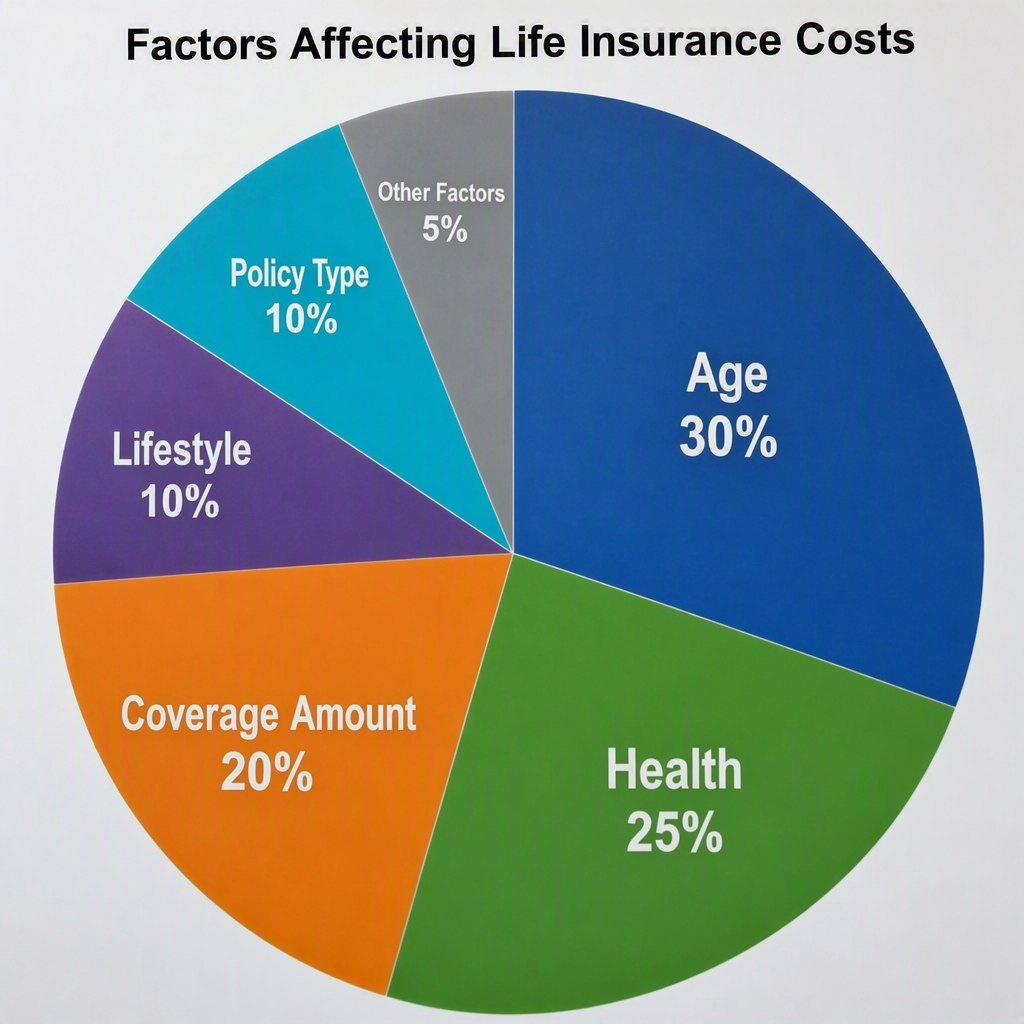
Life insurance cost in Canada comes from both your details and the type of policy you pick. Some things you can't change. This includes your age or sex at birth. Other things can be changed. For example, the amount of coverage, how long the term is, and the plan you choose.
If you have big financial obligations, these things are even more important. You want to get life insurance that fits your money goals. You also want to make sure your family will be safe. The next parts talk about the main things that decide the price of life insurance policies in Canada.
Life insurance rates in Canada can be high due to various factors, including age and health. Older individuals and those with pre-existing conditions typically face higher premiums. Insurers assess the risk involved, making it essential to shop around for the best rates tailored to your specific situation.
Age has a big impact on what you pay for life insurance premiums. To make it simple, younger people often get lower rates. This is because life insurance companies think you will live longer and have fewer health problems during your term policy. If you wait to buy, the cost of life insurance often goes up.
For example, if you are a healthy 30-year-old non-smoker in Canada, examples from the market show a 20-year term policy with $500,000 in coverage could cost about $20 per month for women or $28 per month for men. These are just average numbers. The price is not a promise for everyone.
You will see this pattern more as time goes on. For a $500,000 20-year term, rates for non-smokers go from about $20 to $28 each month at age 25, to around $149 to $212 a month at age 55. So if you ask when to get life insurance, the answer is that buying earlier is usually wise.
Your health plays a big part in both getting life insurance and how much you pay for it. People in good health can often get life insurance coverage at lower prices, as they do not seem to be risky for the insurer. If you have health conditions, you might get higher rates, fewer choices, or be offered a different policy.
Some common health conditions that may make a difference for life insurance are high blood pressure, heart disease, diabetes, high cholesterol, obesity, cancer history, and HIV or AIDS. The outcome depends on how bad the health problem is, the kind of treatment you get, and if your health stays steady over time.
A medical exam helps life insurance companies see if you are in good health. People who are in good shape can often lock in lower costs compared to choosing a life insurance plan with no medical exam. If you also think about getting critical illness insurance or planning for a critical illness, keep in mind that every plan can have different rules, even when the health checks look the same.
Yes, smokers in Canada often pay much more for life insurance. This is because using tobacco products or nicotine makes the chance of getting sick go up. So, life insurance rates are higher for them. This covers many things like cigarettes, pipes, chewing tobacco, nicotine patches, gum, vaporizers, and e-cigarettes.
If you look at some basic Canadian prices, you can see this gap in cost. A 35-year-old woman who does not smoke and gets $500,000 in life insurance for a 20-year term may only pay around $22 each month. If she smokes, the cost may jump to about $60. Men get a similar result, going from about $30 if they do not smoke to $79 if they do.
Other habits and how you live your life also make a big difference in what you pay. That can be high-risk jobs or activities. Even things like high blood pressure matter for life insurance rates. But if you quit all nicotine use, many insurance companies want you to stay away from it for at least 12 months before giving lower premiums.
Gender can change what you pay because insurance companies look at life expectancy when they set their rates. Women usually pay less for the same insurance policy compared to men. This is to do with the fact that women on average live longer. You will often see the life insurance rates are different for each sex at birth.
What you do for work also matters. If you have a job that comes with more danger, the insurer can see you as higher risk. This is the same for people who go skydiving, scuba diving, or rock climbing often. Taking part in these things means the company could charge a higher monthly premium.
The health of your family is another reason the cost can change. If people close to you have had heart disease, some insurance companies believe you could have a higher chance of health problems later. It does not always raise the cost by too much, but it can force a change during underwriting. This is something to keep in mind when you compare family life insurance Canada, life insurance for parents Canada, or life insurance for young adults Canada.
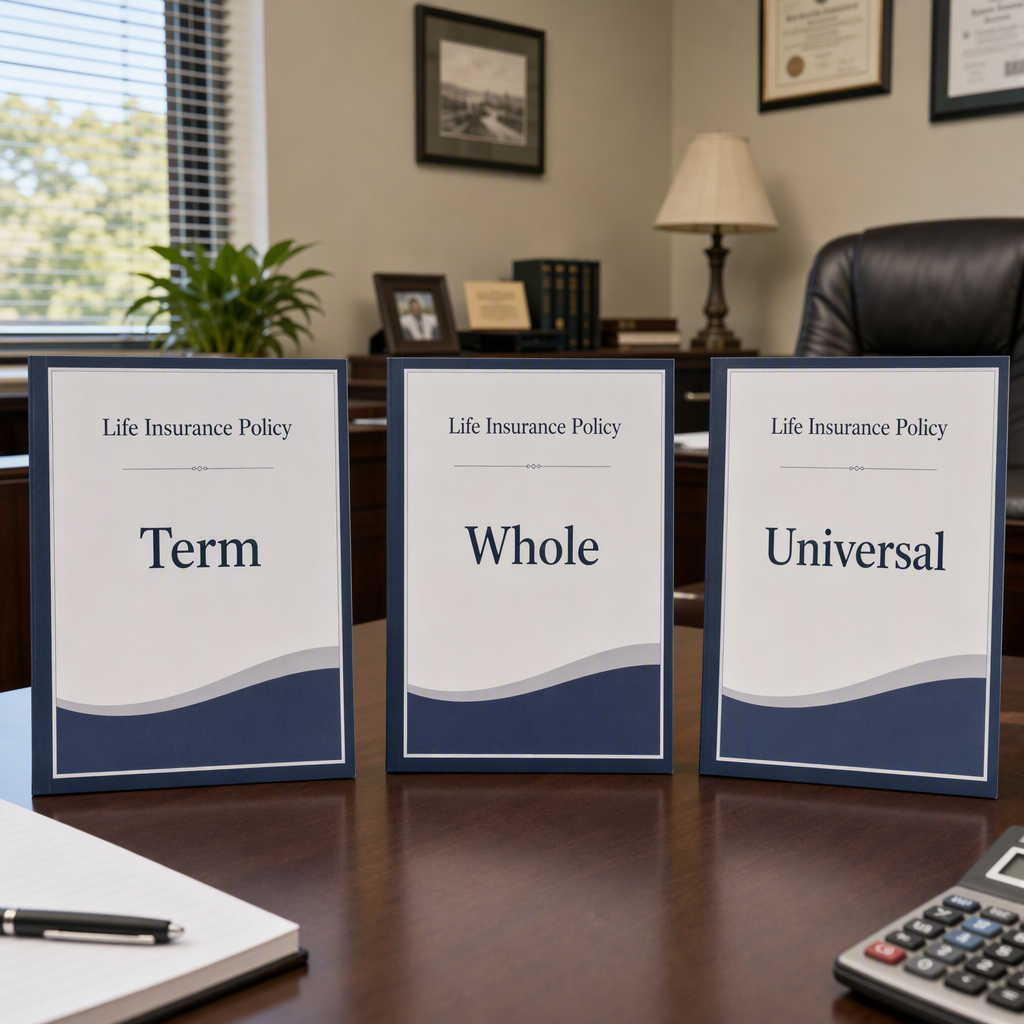
The type of policy you choose can really change the cost of life insurance. In Canada, term life insurance is usually the cheapest. This is because term life covers you for a set period, not for your whole life. Many people like term life for needs that will last only a while, such as covering a mortgage or raising kids.
Whole life insurance and universal life insurance cost more money. This is because they cover you for your whole life, not just a set period. These types of life insurance may also build up cash value over time. When you know how each type of policy works, you can better match it to your budget and your needs.
Term life insurance rates Canada are the lowest when you look at common life insurance types. A term policy will cover you for a set number of years. You can pick choices like 10, 20, or 30 years. Since this life insurance does not build cash value and only covers you for a set period, it is a good fit for those who want to spend less.
If you pick a shorter term length, you will pay less. For example, a 35-year-old woman who does not smoke could pay about $9 to $13 each month for $100,000 in coverage. This depends on if her term length is 10, 20, or 30 years. If you ask for more coverage amount, your price will go up too.
If you look at whole life insurance, you will see it costs much more than term life. Some examples show that permanent life insurance can be five to fifteen times more than what you pay for the same term life coverage. That is why most people who want good and cheap life insurance Canada look for a term life insurance company first. Term life is the start for many who want low life insurance rates.
Permanent life insurance gives you lifelong coverage, as long as you keep making payments. Because you get this coverage for your whole life, it usually costs more. People pick these plans if they need long-term protection, want to help with estate planning, or want the safety of a guaranteed death benefit payout.
Whole life is a type of permanent life insurance. It gives both lifelong coverage and can build cash value as time goes on. Many people use whole life insurance for planning to leave a financial gift or for estate planning. When looking at life insurance cost Canada, whole life is often much more expensive than term life insurance, even when you get less coverage.
For example, numbers for a 30-year-old non-smoking woman show you would pay about $11 per month for $100,000 of term life insurance for 30 years. But, for the same coverage, whole life insurance would be around $50, and universal life would be about $49 per month. This is the reason why the choice—term vs whole life insurance Canada—comes down to your budget, how long you need coverage, and what your main goals are.
Universal life insurance is a permanent type of life insurance. It gives you lifelong coverage and there can be some savings features too, like building cash value over time. Because of these added savings features, you will see rates that are a lot higher than term insurance rates. If you want universal life insurance explained in a simple way, see it as permanent coverage with a savings part you can use.
A no-medical policy is different from others. This type of policy can be term insurance or permanent, but you do not have to take a full medical exam for it. Because the company gets less health information, you will usually pay more for this kind.
For example, if you look at sample prices for a 20-year term with $500,000 in coverage, there are clear differences. At age 35, a woman with a medical exam might pay about $22, but with no medical exam the rate could be about $53. Men may pay about $30 with a medical exam and about $80 without one. If you want to compare plans, a life insurance calculator Canada can help, but keep in mind that quotes still need to be checked for your real information when you apply.
Age makes a big change in life insurance quotes. Many people do not expect this. When you get older, you will most likely see your rate go up. This can happen even if your coverage amount does not change.
The average cost of life insurance goes up even faster when you get into your 40s, 50s, and after that. If you want to know the price better, it is a good idea to look at prices by age group. That works better than seeing just one average cost for everyone. This is usually what you will see.
Young adults often get the best rate for life insurance because companies think they are less risky. If you are in your 20s or 30s, this is usually the best time to get a policy. The monthly cost is often lower at this time. This is helpful if you have a partner, a mortgage, or young children who count on your income.
For example, the monthly cost for $500,000 in coverage for 20 years can be pretty low if you start young. A 25-year-old woman who does not smoke might pay about $20 a month. Men that age might pay about $28. At age 35, women may pay around $22, and men about $30.
That is why life insurance for young adults in Canada can be more budget-friendly than you may think. It is a good way to help with early financial security. If you are looking for a personal life insurance plan, buying sooner can give you more amount of coverage for less money.
When you get into your 40s and 50s, you see costs go up faster. The reason is that insurers know you might have more health conditions as you get older. Because of that, they charge higher premiums for life insurance to cover the risk. At this time, if you still have a mortgage, people who depend on you, or debt, it can be important to look over your coverage again.
This is easy to see in different examples. For someone who does not smoke and wants $500,000 in a 20-year term plan, premiums go up. At age 45, women pay about $50 a month, while men pay about $69. But when you turn 55, the price can get to $149 for women and $212 for men.
Still, being middle-aged does not mean it is too late to buy life insurance. You can choose the type of life insurance that helps protect your annual income, plans for your children’s school, and other financial obligations you may have. A lot of people at this period of time go with term policies, because they want good coverage but do not want to pay for permanent insurance.
Senior life insurance cost in Canada is most of the time much higher than what you pay if you get coverage when you are younger. This is to be expected as life expectancy goes down and health problems become more likely with age. Because of this, the people who give out life insurance plans make new policies with more care. This affects both term insurance and permanent life insurance products.
For example, if you look at term insurance cost for seniors, you see the prices go up fast. Men who do not smoke and want $100,000 of term insurance can expect to pay about $18 a month at age 50, and this goes up to $267 at age 75. For women, it starts around $15 and goes up to $179 over the same years.
Even with these higher prices, seniors can still have good reasons to look at life insurance. It can help with final expenses, pay down debt, or give some support to a husband or wife. Seniors may also want to check if critical illness coverage or a permanent life insurance plan that offers lifelong coverage is better for them. In the end, the best option depends on if you want a bigger death benefit or a more simple plan to meet your needs.

Your health has a big effect on how much you pay for a life insurance policy. If you are in good health, you can get better rates. If you have health issues, the company might ask you to pay more. They might also offer you a no-medical option.
This does not mean you cannot get coverage. It just means that your insurance premiums will be based on your risk. To know how all this works, you need to look at things like common health problems, smoking, how much you drink, and the role of the medical exam.
Many health conditions can change what you pay for life insurance. Insurance companies often look at things like diabetes, cancer history, obesity, high cholesterol, high blood pressure, HIV or AIDS, and heart disease. The price you get depends on how serious your condition is and if you take care of it well.
For some people, the cost of life insurance may still be at the standard rate. For others, the company may add a rating and charge more. There are times when classic life insurance is not given, so you may have to look at no-medical or guaranteed issue plans.
This is why the small things really matter. Two people who have the same health conditions might not get the same insurance premiums. If you have a health problem that can be called a critical illness, it is very important to check with different life insurance companies. That’s because the way each company looks at risk is not always the same.
Smoking has a big effect on how much you pay for life insurance. When you smoke, the insurance company, or insurer, knows there is a higher risk to your health. Because of this, the price for your insurance policy will go up. Most of the time, smokers pay two to four times more than non-smokers for the same coverage.
What you do every day, your lifestyle habits, are important for life insurance pricing. If you do things the company sees as a higher risk, the price will also be higher. This includes habits or hobbies that can hurt your health. They want the price to match how likely you are to make a claim, not just your age.
If you want lower premiums, you can stop using tobacco. Most insurers will only consider you a non-smoker if you have not used nicotine for at least a year. When you send in your life insurance application, make sure you answer every question honestly and with care. Wrong or made-up answers can give you big problems later. You might even have trouble with a claim on your insurance policy.
A medical exam may seem like an extra task, but it can help save money for people in good health. The exam gives life insurance companies more details. That means you could get standard or even better rates. If you are healthy, this is often the best life insurance choice to keep your costs down.
The price difference is big. For example, if you look at 20-year term life insurance with $500,000 in coverage, no-medical options cost much more than fully underwritten options at almost every age. This price gap gets bigger as people get older.
There is one more reason not to skip the medical exam. Many who think they will not get a good rate still get standard prices on their life insurance. If you want the most strong life insurance coverage for your amount of coverage and want to save money, it is usually good to try the full underwriting process first.
The coverage amount you pick will change the price. If you want more protection, the possible payout gets bigger. So, the life insurance cost will go up as the policy grows.
Term length is important too. If you choose a longer time, the insurance company will cover you for more years. This often means your premium will get higher. When you get term life insurance coverage, you want to find a good balance. Think about your budget, your family’s needs, and how many years you need term life insurance.
Picking how much coverage you need for term life insurance should base on what's real for you, not just a guess. Look at your mortgage, debts, costs for kids or family care, future school fees, and if you need income replacement. Your own financial situation will show you the amount you need and how long your family will need support.
For a lot of Canadians, a term policy can be very affordable. Information shows term life insurance usually starts on the low end each month for young, healthy people. In most cases, prices range from about $14 up to $200 each month for $500,000 of term coverage. The cost depends on your age and who you are.
It's easy to look at your needs if you make a list of the following:
This way can help when you use a life insurance calculator or check quotes at Policy Ninja.
The amount of life insurance you choose changes your monthly premium in a very clear way. Smaller policies cost less, while larger policies cost more because the insurer takes on a bigger payout risk. Still, higher coverage can offer better value if your family depends on your income.
These sample Canadian monthly premiums are for non-smokers and show how age and coverage amount can affect the cost of life insurance. Actual rates vary by insurer, health, province, policy term, and underwriting.

If you want lower premiums, keep your coverage amount tied to real needs, not guesswork.
How you pay for your insurance policy can change the total cost. Many people pick a monthly premium because it works well with regular monthly bills. The monthly cost can make it easier to handle, especially when there are a lot of household bills each month.
But, some companies may let you save money if you pay once a year. The notes say that paying every year can make things cheaper compared to paying each month. If you have the cash, this might help you bring down the cost without losing what the policy gives you.
Your best choice will depend on your annual income, how much you have saved up, and the way you plan money. If a lower monthly cost matters most, then monthly payments are a good choice. But, if you care more about saving money over time, then paying yearly may help. No matter what, the goal is to look after your financial future and not put too much stress on your day-to-day spending.
To sum up, knowing what affects life insurance rates in Canada will help you make better choices for your coverage. Your age, health, if you smoke, and your lifestyle matter a lot when the company sets your premium. When you look at different policies like term or permanent life insurance, you can pick the one that fits your money plan and needs.
Make sure you avoid common mistakes and try to get more than one quote. This way, you know you will get a good deal. When you are ready to look at life insurance rates or want a personalized quote, you can check PolicyNinja and help protect your financial future.
Yes. A life insurance calculator Canada tool can help you get an idea of life insurance rates. It looks at things like age, if you smoke, and what you want for coverage. Online tools are fast for quotes, but they give you just an estimate. The final price can change from what the calculator says. It will depend on underwriting and the insurer you go with.
Quotes in Canada can change from one province to another. This is because each insurer has their own way of working in each place. But what really shapes life insurance rates are things like age, health, if you smoke, how much coverage you want, and what rules the insurer has. The cost of life insurance is mostly shaped by your personal profile, not so much by where you live.
Yes, getting affordable life insurance in Canada can still happen even if you have health conditions. The rates will likely be higher than for people in good health, but there is life insurance out there for you. It helps to compare quotes, look close at the coverage amount you want, and think about if a fully underwritten or a no-medical option is better for you.
Buy your insurance policy early. Pick the right coverage amount for you. Check what different insurers offer before you decide. A term insurance plan can be a good choice for lower premiums and often costs less at the start. To get the best rate, do not add coverage that you do not need. Look at paying once a year, as this can help you save money too.
You can get lower premiums if you sign up when you are young. Stay in good health and quit using nicotine to help with costs. It is good to pick term insurance over permanent coverage when it makes sense. Keep your insurance policy focused on your real needs. Try to find a good mix of protection and cost. It is not just about paying the smallest price.
A life insurance calculator helps you figure out how much life insurance may cost before you apply. You can use online tools to look at different quotes by age, coverage, and term. These tools are good for planning. But the price you get can be different, because the company will look at your details before they set your final cost of life insurance.
It is important to compare life insurance quotes in Canada. This is because insurance companies look at things in different ways when they set their prices. You may get a few different offers for the same amount of life insurance. If you compare more life insurance quotes, you can find the best rate. Doing this can also help you pay less for the cost of life insurance.
If you want to compare life insurance without feeling stressed, Policy Ninja can help you do that. You can go through different quotes, see the kinds of policies there are, and find what is right for you. Go to https://www.policyninja.co/ to check out coverage and see some of the best life insurance choices.
Common mistakes happen when people get too little coverage, do not compare quotes, or pick an insurance policy just because it is cheap. Some also do not think about how their health can change insurance premiums. A good life insurance policy should fit what you need first. Then, think about your budget, not the other way around.
Picking the wrong coverage amount can make your family open to risk. It could also stretch your budget too much. You need to think about your debts, mortgage costs, and other financial obligations. If you are not sure about how much coverage you need, you can use a calculator. Getting quotes can also help give you more peace of mind.
Many people go with the first offer they get, but that can cost you more. Different insurance companies may charge different prices for the same person. If you look at many quotes, you can get the best rate and not pay too much for the coverage you need.
Little things matter when you fill out an application. Your health conditions, if you smoke, and how you live can change if you get approved and what you pay. If you leave out answers, there can be trouble later with your insurance policy. Always tell the truth, especially with a medical exam or questions about nicotine.
It is a good idea to check your life insurance rates when there is a change in your financial situation. You may also need to review your rates if your current policy does not fit your needs anymore. Many life insurance rates stay the same, but new quotes can go up or down as time goes by. Looking over your policy helps you find options that may be better for you.
Check your rates again after big life changes like getting married, having a new baby, buying a home, or taking on more debt. These changes can affect your financial situation and what coverage you need. Even if you decide to keep your current plan, taking a quick look can help you see if there are better choices for you.
A life insurance policy needs to change as your life does. If you get married, have kids, buy a bigger house, or your income changes, your financial obligations will also change. It’s good to check your insurance policy and coverage amount after these big life events. This way, your life insurance can keep giving support to the people who count on you.
The next thing you need to do is get life insurance quotes that fit you. Compare them with your budget and what you want out of life insurance. You can use online tools to help you pick, but it is better to do real side-by-side comparisons. If you want the best rate, look at quotes from several companies before you pick your coverage amount.
First, pick the coverage amount you want and choose your policy type. Next, compare what each insurer offers. Fill out the application. Be ready to answer some questions about your health and how you live. There are some plans that need underwriting or a medical exam before you can get started. This simple process works if you want family coverage or just something for yourself.
Policy Ninja can help people in Canada compare life insurance rates in one place. This way, you can shop for life insurance with less stress. It is a good tool if you want to see quotes, pick terms, and check choices for permanent coverage. If you want to compare life insurance in Canada, go to https://www.policyninja.co/ and get a quote.

Cindy David, CFP, CLU, FEA, TEP, is President & Estate Planning Advisor at Cindy David Financial Group Ltd. in Vancouver. A recognized leader in wealth management and estate planning, Cindy guides clients with strategic, tax-effective solutions while championing innovation and women’s leadership in the financial industry. She is the former Chair of the Conference for Advanced Life Underwriting (CALU) — Canada’s professional association for senior life insurance and financial advisors that advances education, advocacy, and best practices in advanced planning and public policy.


