


A good credit rating is very important for your money life. It can change things like getting a loan or what interest rate you get. A credit score is a number that shows your credit history. Credit bureaus like Equifax and TransUnion write down your credit details in your credit report. Lenders read this to help them make their financial decisions about you. If your credit score is not good right now, do not feel bad or worry. You can take steps to make it better. Knowing about how to get and keep a good credit score is the first step when you want to meet your money goals.
Here are the main things you should know to help raise your credit rating:
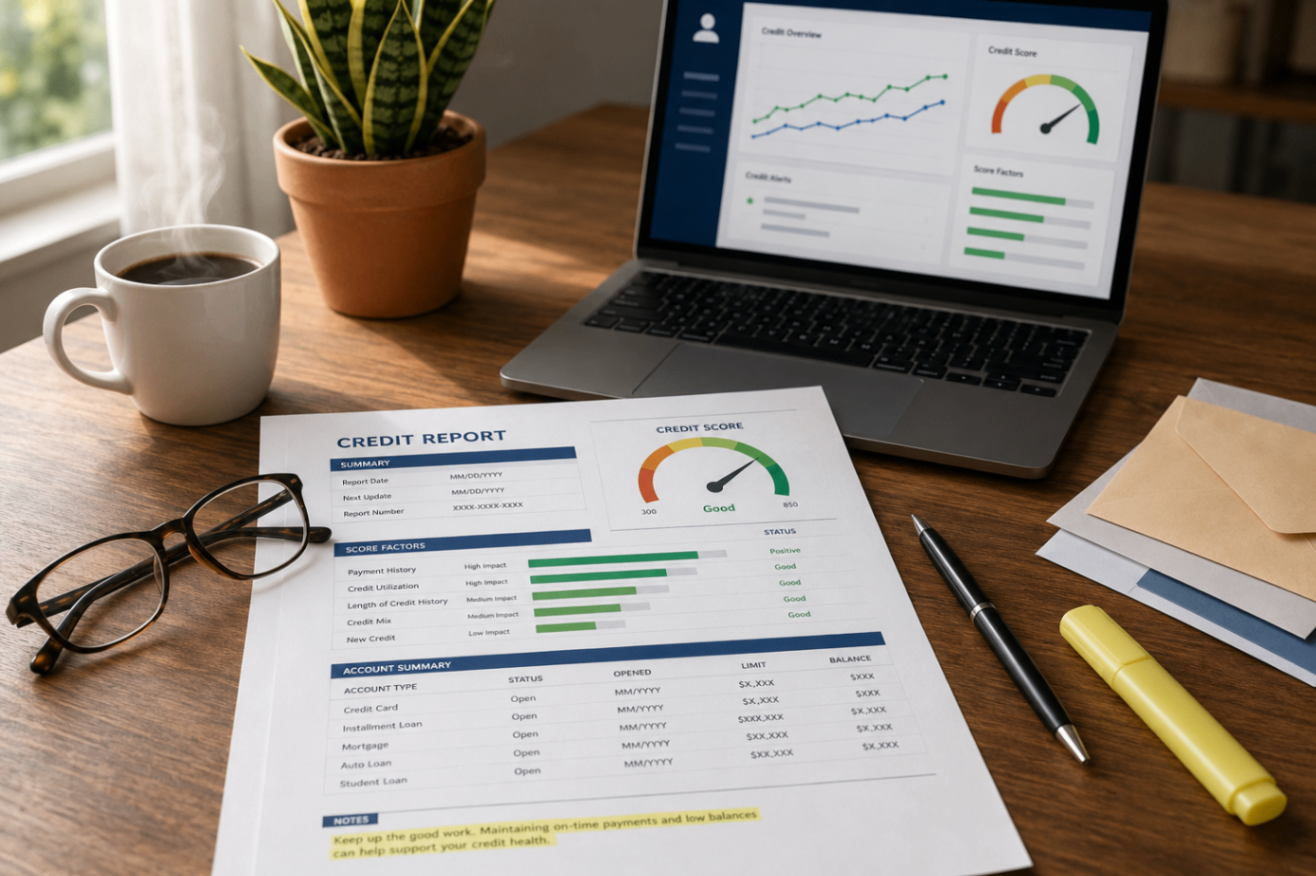
When you begin your credit repair process, it might feel like a lot. But you can handle it if you use the right steps. You don't have to pay a lot of money to big companies to fix your credit. Most of the things you need to do for good credit repair can be done by you for free. The most important thing is to start. You should also keep going and not give up.
When you look over your credit report, check for errors. Control how you use your credit card for better results. Each step you take can help raise your credit rating. Do not apply for too much new credit at one time. If you follow good money habits, you can fix, take care of, and even grow your credit rating. Here are ten ways that work to help you get going.
The first thing you should do for credit repair is find out what is on your credit. You need to get a copy of your credit report from both Equifax and TransUnion. They are the major credit bureaus in Canada. Their reports will show you all the facts you need to know. Every person can get a free credit report because of federal law. Now, you can even check it more often without paying.
When you get your reports, read them with care. Check for any incorrect information. Look to see if there are accounts that are not yours. Make sure all payments are right and not wrongly marked as late. Your personal information, like your name or where you live, must also be right. Even small mistakes can have a big effect on your score.
It is important to find and spot these mistakes. If you see something on your free credit report that does not seem right, you can ask to have it fixed. When you check your free credit often, you can see problems early. This helps stop them before they cause big trouble.
If you see anything wrong on your credit report, you need to dispute it. Fixing false negative information is an important step for credit repair. The credit bureaus have to check your dispute, and they usually do this in 30 to 45 days.
To start a dispute, you have to get in touch with the credit bureau that shows the mistake. You can do this online, by mail, or by phone. When you contact them, be ready to say why the info is wrong. It’s good to send any papers you have that can show your side.
When you send your dispute, be sure to add:
The bureau will then talk to the person or place that gave the information to check if it is right. If the information cannot be checked, it must be changed or taken off your credit report.
Your payment history has the biggest effect on your credit score. Lenders want to know if you can pay back money that you owe. When you make your payments on time and by the due date, it shows you are good with money. This also helps you build good credit.
Even one late payment can give a negative impact on your score. Most creditors say your payment is late if you pay 30 days after the due date. A mark like this stays on your credit report for up to seven years. The later the payment is, the more your score will drop.
To keep a good credit score, always pay at least the minimum payment by the due date. If you miss a due date, make that payment right away. This will help lower any damage to your credit score. You should get all your past-due accounts back on track as soon as you can. This is important if you want a healthier credit score.
Another big part of your credit score is the credit utilization ratio. This shows how much of your total available credit you use. For example, if your credit limit is $5,000 and you owe $2,500, your credit utilization is 50%. A high credit utilization can make lenders think that you might find it hard to pay your bills. A lower credit utilization ratio is seen as good when it comes to your credit score.
To help your score, try to keep your credit utilization under 30%. A lower number is better. You can do this by paying off your credit card balances. Working to lower what you owe on a credit card lets you see a quick and good effect on your credit.
It's a good idea to check this ratio for each credit card. You should also look at your total ratio for all your cards. Try to keep your balances low compared to your credit limits. This will show that you can use credit the right way without needing to use it too much.
When you try to get a new credit card, loan, or line of credit, the lender has to check your credit report. They do this by making a "hard inquiry." Every hard inquiry can make your credit score go down by a few points for a short amount of time. If you only have one or two hard inquiries, it is usually not something to worry about. But, if you go for several new credit accounts in a short time, it can be a sign to lenders that something may not be right. This can make them feel unsure about giving you credit.
If you have too many hard inquiries, it can show creditors that you may not manage your money well or are trying to take on too much debt. This can have a negative impact on your credit score. It may also make it hard to get approved for new credit later.
If you need new credit, it's good to plan when you apply. For example, if you want a car loan or a mortgage, many checks on your credit in a short time (about 14 to 45 days) will usually count as one check. This helps lower the effect on your score. If you apply for other new credit, try to spread out your applications. This can help keep your score safe.
The length of your credit history is important for your credit score. It makes up about 15% of your FICO score. A longer credit history can show that you have more experience with using credit. Because of this, it can be a good idea to keep your older accounts open, even if you do not use them often.
Closing an old account, like a credit card, can be bad in a few ways. First, it will make the average age of your accounts lower, and this can bring down your score. Second, it cuts your total available credit. If you still have a balance on other cards, this can make your credit utilization ratio go up.
Instead of closing a credit card that you do not use, try using it for a small charge every month. Pay off that charge when the bill comes. This will keep the credit card active. If your card has a yearly fee and you do not want to pay it, ask the company if you can change to a card with no fee. This will help keep your credit line on your report.
One of the best and easiest ways to make sure you do not miss a payment is to turn on automatic payments. Your payment history has the biggest effect on your credit score. That is why it is so important to avoid any late payments. A small mistake can give you late fees. It can also put a bad mark on your credit report.
Most banks and credit card companies let you set up automatic monthly payments. You can pick to pay the minimum amount, the full statement balance, or a fixed amount each month on your due date. This is a good idea because it helps you remember when to pay your credit card bill.
Autopay is a good way to handle your bills, but you need to be sure you have enough money in your bank account. If you do not have enough, you may get charged by your bank for not having enough funds. You can set up alerts to check your balance. This will help you see when you need more money and help your automatic payments work well.
If your credit history is not good or it is limited, it can be hard to get a credit card. A secured credit card or a credit-builder loan can really help you with credit repair. These can help you build your credit history or fix it. They are made for people who want to work on their credit score.
A secured credit card is a type of credit card that asks for a cash deposit before you use it. The money you pay at the start will be your credit limit. There is less risk for the lender, so it is often easier to get the card. If you make small buys and pay your bill on time every month, this can help you show good credit use. It will also help you build a strong payment history.
A credit-builder loan is not like a regular loan. The lender puts the money in a savings account. You pay a set amount each month. After you pay all the monthly payments, you get the money from the savings account. The lender tells the credit bureaus about your payments. This can help your credit mix and your score as time goes on.
Having a plan for your debt management is a strong way to make your credit health better. Just having debt will not always hurt your score, but if you keep high balances on your accounts or miss payments, it will. A good debt management plan can help you save money on interest. It can also make your credit better over time.
There are a few ways you can pay off debt. A couple of common methods are these:
Another way you can handle debt is with a consolidation loan. A consolidation loan brings together more than one debt into one new loan, so you only have to make one payment each month. The new loan often has a lower interest rate. This can make it easier to keep up with your money, pay on time, and build a good payment history.
How you use your credit card every day affects your credit health. The key is to use your card in a way that helps you, not hurts you. Pay your bill on time. Also, see your credit card as a tool to help manage money. Do not think of it as extra money to spend. Charge only what you can pay in full to keep your credit health good.
When you don’t pay off your full credit card balance each month, the credit card company will charge you interest. This can add up and get costly fast. A high balance on your card also makes your credit utilization ratio go up. This can make your credit score drop. Try to pay your statement balance in full before the due date. This helps you avoid paying interest and keeps your credit utilization low.
Check your credit card statements often to make sure all the information is correct. This will also help you watch your spending. When you know where your money goes, you can take control of your finances. A good way to use your credit card is to use it in a smart and safe way. This does not only keep you out of debt, but it also shows lenders you are not risky. This is one of the most important things for getting a higher credit rating.
After you work hard to fix your credit, you need to keep it strong. A good credit score is not something you build just one time. You have to make good choices with your money every day to keep your credit rating in a good place. These smart financial decisions will help your credit score stay good over the years.
If you add a few simple routines to your day, you can help keep your credit safe from common problems. Keep an eye on your credit report and credit score. Do not spend more than your limit, and check your bank and credit card statements often. These habits help you stay in charge of your money. They also let you spot any problems early, so you can fix them before they get worse.
It is important to check your credit score often to keep your credit health in good shape. Watching your score lets you see changes, know your credit history, and catch mistakes. Free credit reports from the major credit bureaus make it easy to find out if there is any negative information that can hurt your score. When you check your credit on a set schedule, you can make better financial decisions. You can also get alerts if there might be identity theft. You can get help from credit counseling services if you want tips on how to manage your credit score the right way.
Staying within your credit limits is very important if you want to keep a good credit score. Credit utilization means how much of your available credit you use compared to your total available credit. This number is a big factor for credit bureaus when they judge if you are a good borrower. A low credit utilization shows the credit bureaus that you know how to take care of your money.
You should keep an eye on how much you spend on your credit cards, so you do not go over your limits. This step helps you stay away from any problems that might hurt your credit health. If you watch your credit, it will help you make better financial decisions. This will improve your credit score over time and give you a strong credit health for the future.
It is important to check your financial statements often. This helps you keep a good credit history. When you look at your statements, you see changes in your credit card balances, payment history, and credit utilization. If you spot something wrong, you can fix it early. This could be things like wrong information or charges you did not make. If you let these things go, they could hurt your credit score.
Looking at your statements on a regular basis also helps you make better financial decisions. It makes sure every transaction matches your budget. When you stay aware of your credit health, you have a better chance to get a good credit score. A good credit score comes from paying attention to these steps over time.

Everyone makes mistakes with credit, even if they did not mean to. It is easy to do things that will hurt your credit score. The first step is to know what these mistakes are so you can avoid them. A low credit score or bad credit often happens because of simple things. For example, many people do not pay bills on time. Others use too much of their credit. These habits can start to hurt your credit history fast.
Knowing about these mistakes can help you keep the good credit you have built. It is important not to do things that give a negative impact, like closing your old accounts or trying to get too much credit at one time. These things can hurt you as much as not having good money habits. Let’s go over some of the most common errors that hurt your credit.
If you often miss or make late payments, it can hurt your credit score a lot. Your payment history plays a big role in your credit rating. Every missed due date will add late fees, and the missed payments get sent to major credit bureaus. This puts negative information on your credit report. To avoid this, it's a good idea to set up automatic payments or use reminders. Being on top of your monthly bills will help you keep good credit health. That way, you can make better financial decisions later on.
Keeping a good credit utilization ratio is important if you want your credit score to stay healthy. This ratio shows how much of your available credit you are using. If your credit utilization is high, it can hurt your credit history. Try to keep this ratio under 30%. This helps show you use your credit in a good way.
If you have high credit card balances, the credit bureaus may think you are spending too much. To help your credit health, you could ask for a higher credit limit, pay more of your balance each month, or lower the total amount you owe. These steps can make your credit score, credit history, and credit utilization look better to both the credit bureaus and lenders.
Keeping your old credit accounts open can help your credit score in the long run. If you close these accounts too soon, it might lower the average age of your accounts. This is a major factor in your credit health.
Closing accounts also decreases your total available credit. When this happens, your credit utilization ratio can go up. A high credit utilization is not good for your score. If you keep these credit lines open, especially if they are in good standing, it helps your credit mix. A good mix shows that you can handle different types of credit.
Before you close any credit line, think about the long-term effects on your available credit, your credit utilization ratio, and your overall credit score.
Building strong credit happens when you make small, steady choices over time. This guide shares ten ways to help you start. Look at your credit report. Fix any mistakes you find. Pay your bills when they are due. Try to use only a small part of your total credit. Use credit to help you reach your money goals. You can pick one or two steps to work on this month. Add more steps as you get used to the first ones. If you keep at it, later you will get better loan rates. It will also become easier to get approved when you need money, and you will feel less stress when handling your finances.
A strong credit profile can give you access to better life insurance options. In Canada, insurance companies look at your overall money situation when they set rates and choose what life insurance to offer you. When you make your credit strong, it is a smart idea to protect what you are building up.
PolicyNinja lets you compare life insurance quotes from Canada’s best providers in just a few minutes. The pricing is clear, and the process is made for you. Get your free quote today. This can help you take the next step for your financial security.
Late payments can hurt your credit score a lot. This is because your payment history means the most to the credit bureaus. To help your credit score, get any late accounts caught up as soon as you can. Going forward, try to use automatic payments. This will help make sure you pay on time, and you do not miss any due dates again.
Yes, when you pay off old debts, it can help your credit score. This is true for things like credit cards. Paying these can lower your credit utilization and make your payment history look better if your account is still open. This is a good move in any credit repair plan, and it helps you lower what you owe overall.
Yes. After you have a bankruptcy or settle your debt, it will show on your credit report. To start credit repair, open a secured card. This can help you build new, good payment history. You can also think about getting a credit-builder loan. A credit counselor from a non-profit can work with you. They help make a plan for you to rebuild your credit.

Cindy David, CFP, CLU, FEA, TEP, is President & Estate Planning Advisor at Cindy David Financial Group Ltd. in Vancouver. A recognized leader in wealth management and estate planning, Cindy guides clients with strategic, tax-effective solutions while championing innovation and women’s leadership in the financial industry. She is the former Chair of the Conference for Advanced Life Underwriting (CALU) — Canada’s professional association for senior life insurance and financial advisors that advances education, advocacy, and best practices in advanced planning and public policy.


