


It can be tough for people to handle money, especially during times of economic uncertainty. When you hear about a bad market or people talk about a recession, you may feel the worry about your own financial situation. The good thing is that with strong financial planning, you can feel more at ease. This guide will give you simple steps to take care of your money, manage debt, and help keep your investments in a good place. If you start to work on these steps now, you can make your financial future better, even in times of economic uncertainty.

When there is economic uncertainty, it is very important to build a strong base for your money. This will help you have financial stability. It keeps your financial health safe over time. A good foundation helps you get through a financial crisis. So, your goals can stay on track.
To deal with market volatility, it is good to have a plan. First, put more money into your emergency savings. After that, look at your budget to see what you can change. You should also find ways to manage your income. Doing these things will help you stay ready for tough times and let you keep control of your money.
An emergency fund is the first step to keep yourself safe from money trouble. You should have some cash put away for times when things do not go as planned. An emergency fund will give you and your family more financial security.
Most people should try to save three to six months of their normal bills in a savings account that is easy to use. It will be good if the account also gives you good interest. If your pay changes each month, it is better to save nine to twelve months of expenses.
Having an emergency fund in place helps you feel safe in case of hard times. A savings account is a good way to keep your months of expenses ready to use when you need it.
To find out how much money you need in your emergency fund, add up your main bills for each month. This can be things like:
You should put this money in a savings account or a money market account. Do not mix it with the money you use to spend. This way, the cash will be ready for you when you need it. You will not have to sell your other savings when it's not a good time. This is a good way to keep your savings safe if the economy gets bad.
It is very important to know where your money goes, especially if your financial situation is not good. A monthly budget can give you the help you need to make better choices. Start to track all of your spending. This will show you where things can be changed.
When you feel there is financial uncertainty, it is good to lower your discretionary spending. You can do this by cutting back or pausing things that you do not need. A few places you can look at are:
If you spend less money on things you do not need, you will have more to keep. You can use this extra money for your savings, or to lower the amount you owe. This update to your financial plan makes you better with money. It also does not bring big changes to your daily life.
Managing your cash flow can get tough if you do not make the same amount every month. A recession is part of the economic cycle. It is smart to plan for money changes. Try to build your budget using your lowest-earning months, not your highest. This helps you make sure all your main household expenses are paid.
When you have a good month and get some extra money, do not feel you must spend it all right away. Try to use this cash in a way that helps you later. Here are some choices:
Making money in more than one way can help. You could try things like freelance writing or pet sitting. This gives you a backup if something goes wrong with your main job. It also helps you take better care of your money and build a strong safety net for you and your family.

When the economy is not steady, it is good to know how you handle your debt. Debt payments can take a lot of your money. This is true when market downturns happen. If you use good financial strategies for debt repayment, you can get more cash flow. This will help lower your money stress and your risk.
Start by paying off debt that has the highest interest rates first. This will help you spend less money over time. You can also check out things like debt consolidation. That can make your payments feel easier. It helps to learn about mistakes people often make. If you stay away from these, you will be able to keep out of more problems with your money.
Not every debt works in the same way. Debt that has high interest rates, like credit card debt, can make things hard for you fast. This is because the interest will keep adding up. A lot of people make a big mistake with their financial planning when they let these bills grow, especially in uncertain times. The best thing you can do is pay off your outstanding debts as soon as you can.
Try to pay off any debt that has an interest rate higher than 10%. This usually includes:
If you pay off debt that has a high rate fast, you can help your cash flow. It will also help you feel less stress about money. If you may lose your job, it's good to have less high-interest debt. This lets you handle your life better when times get tough.
If you are handling several debt payments, debt consolidation or refinancing can be one of the best ways to make things easier. These can cut your interest and help make a simple payment plan. But you need to make sure these steps help lower your costs in the long run, not just push your payments back.
Here are some choices you can talk about with your financial advisor:
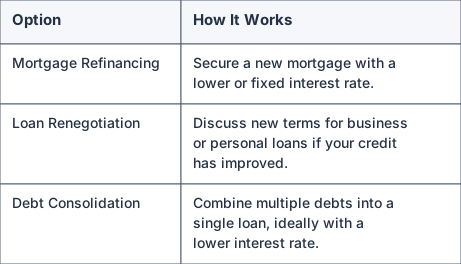
The goal is to help you use your money in a better way and pay less. A financial advisor can look at your needs and say if these financial planning ideas are good for you.
When there are changes in the economy, many people feel stress or fear. This can make it easy to make bad financial decisions. You have to do more than pay what you owe. It is important to notice some common debt mistakes too. A big mistake is adding more high-interest debt for things you do not need. This is called discretionary spending. People do this a lot with credit cards.
To keep your money safe in these uncertain times, do good financial planning. Watch out for these things.
If you want to get through tough times well, you should make smart choices when you spend or borrow money. This helps you stay on track with your goals and not have more money trouble.
Market volatility can make you feel worried. But you do not have to stop your investment strategy. If you panic and take your money out of the stock market, you may lose money. You could also miss gains if things improve. The best way to keep your money safe is to stay calm. Stick to your long-term plan.
Try not to make big changes just because you feel afraid. Instead, make sure your portfolio is spread out in the right way and fits your risk tolerance. You can look at safe places to put your money, change your asset allocation if needed, and make sure your investments are not all in one place. These things will help you deal with the market going up and down.
When the economy goes up and down, you may think about safe ways to invest your money. There is no way to put your money in something that has no risk. But, some options are more steady when things get hard. The best thing to do is pick what keeps your money safe and helps it grow over time.
A financial advisor can give you investment advice that works for your needs. Some safe choices to think about are:
You can use these options to keep your money safe. They let you get your cash when you need it. These options also help protect your savings from big ups and downs in the stock market. A high-yield savings account is good for an emergency fund. It keeps your cash easy to get and lets you earn some interest, too.
Economic shifts can be a good time to check how your asset allocation is set up. Rebalancing means you change your portfolio so it still matches your investment strategy. Market volatility may move your money around in your different investments, and rebalancing helps you lower risk. This is a good way to keep your financial health on track.
You need a plan that fits what you want and how much risk you feel is okay. For example:
This steady way to rebalance is important for your financial plan. It helps you deal with market volatility. You will not go too far in or be too safe. This helps your portfolio stay on track with your long-term goals.
Diversification is a key idea in good financial planning. It helps you deal with market volatility in the stock market. The idea is simple. Don't put all your eggs in one basket. You should put your money into different types of assets. These can be stocks, bonds, real estate, and cash. Doing this can help make your returns more steady. It also lowers your risk.
A good mix in your portfolio means you have:
Diversification will not get rid of all the risk of losing money. But, it can help keep your portfolio safe from big shocks in any part of the stock market. This is a good way to make your investments stronger so they last well over time.
It can be tough to handle financial uncertainty, especially when you are about to retire or you are already retired. You may worry about your retirement savings and how your retirement income will be in the future. It's normal to wonder if you need to make big changes to your retirement accounts or your financial plan.
What is most important is not to rush things. Try to be careful and think about your choices. If you change your plans when the market shifts and pick safe ways to save, you can keep your retirement goals on track. You can do this and still stay focused on your long-term plans.
You do not always have to make big changes to your retirement plan when the market is having a hard time. But it is good to look at your plan when there are market downturns. You might want to change your plan a bit if things are going down. Market downturns can bring down the value of your portfolio. So, it is important to see what this means for your financial health over time.
Here are some things you may want to keep in mind for your retirement plan:
Making small but smart moves can help you when life gets hard. You do not need to let go of your plans for retirement. The important thing is to change what you do if you feel you need to. Do not panic.
If you are almost at retirement, you have to choose safe plans for your retirement savings. It matters to keep your money safe at this time in your life. You should still look for ways that help your money grow, so it does not lose value because of inflation. But there is a need to be careful with your retirement savings now. You do not want to take big risks with your money.
Here are some safe ways you can use to help your money grow for the long term in these uncertain times.
When you get near retirement and feel unsure about the future, it is good to set up a steady income. You also need to protect the money you have gotten over the years. A family life insurance Canada plan can give peace of mind to your loved ones.
To sum up, getting better at financial planning in uncertain times is about being ready to change your plans when you need to. Build a strong base for your money and handle your debt in a smart way. Keep what you have, and protect your money in things you own. This can help you feel calm, even when things shift.
Focus on emergency savings. Look at your budget often, make good changes, and find safe ways to invest. These steps help your financial health stay strong and can set you up for a better financial future. Always keep up with what's going on and be ready to change as markets move. If you are looking to start your financial planning, reach out for help that suits you. With the right support, you can do well, even in uncertain times.
To feel less stress about money in times of economic uncertainty, focus on what you can control. Make a good financial plan that fits your life. Work on building an emergency fund. This fund will help you in times when things are tough. Don’t check your investments every day, even if the market goes up and down. Managing your financial situation in this way can give you peace of mind.
Do not decide what to do with your money when you feel upset. That is not the time to sell your investments or make fast moves. Try to avoid getting high-interest debt or taking your retirement money out. These quick choices can harm you and your financial health over the long term. This is more likely when there are economic downturns. It is good to keep following the plan for your money and use your financial planning.
It is not good to make big changes to your retirement plan just because of economic uncertainty. It can help to check your goals now and look at making small changes instead. Think about your retirement income. Look at your risk tolerance and ask yourself how you feel during market volatility. A financial advisor can help you know if you need to change anything in your plan.
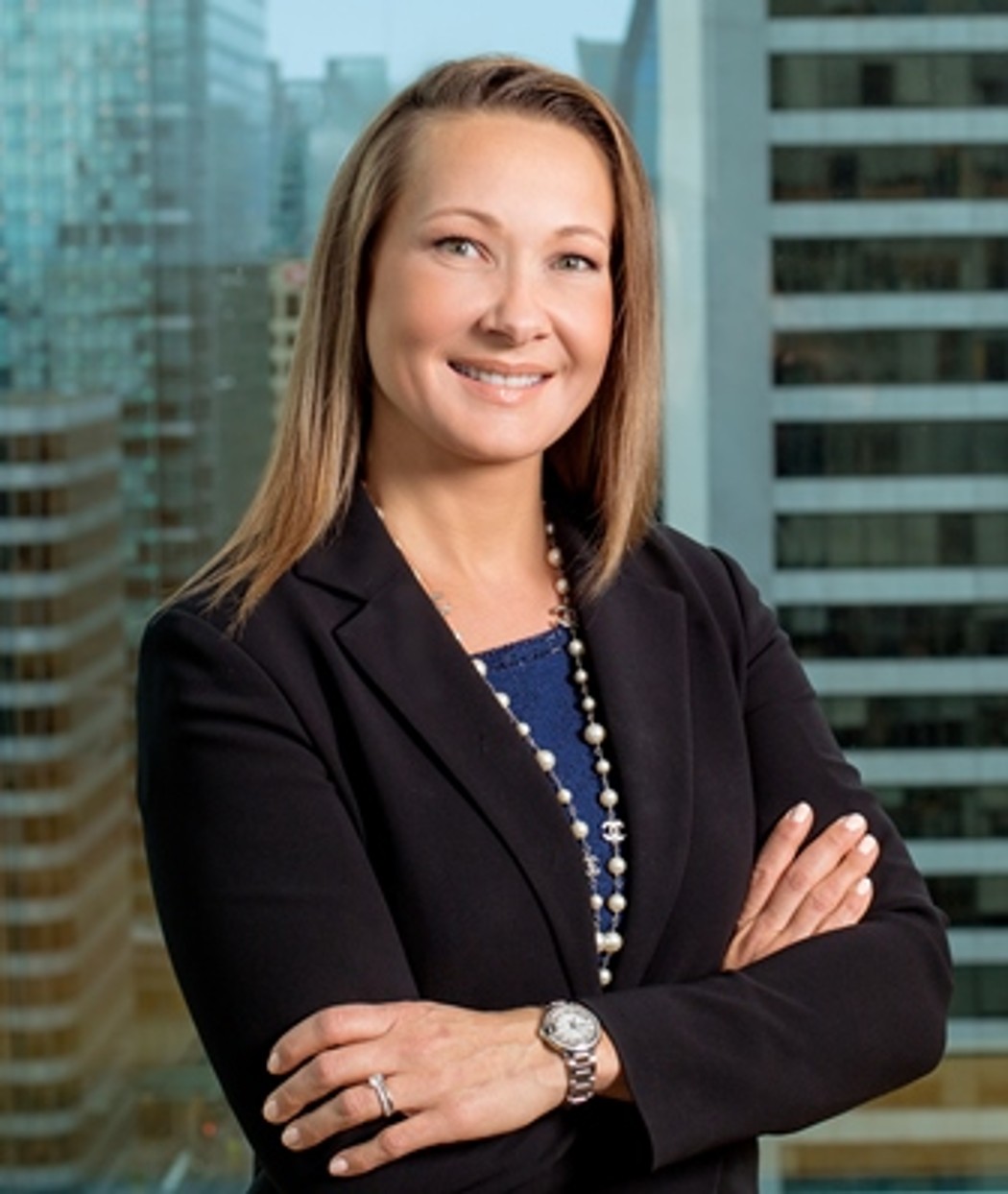
Cindy David, CFP, CLU, FEA, TEP, is President & Estate Planning Advisor at Cindy David Financial Group Ltd. in Vancouver. A recognized leader in wealth management and estate planning, Cindy guides clients with strategic, tax-effective solutions while championing innovation and women’s leadership in the financial industry. She is the former Chair of the Conference for Advanced Life Underwriting (CALU) — Canada’s professional association for senior life insurance and financial advisors that advances education, advocacy, and best practices in advanced planning and public policy.


