›

Business insurance helps Canadian businesses keep going when things do not go as planned. A lawsuit, property damage, a data breach, or a claim from a client can cost you a lot. It can be hard to pay for all of this on your own. With the right insurance coverage, you get help to protect your income, your stuff, and the work you do every day. Your needs will be different if you run a startup, a retail shop, a consulting practice, or work from your house. This guide will show you simple options for business insurance Canada that can help you make a good choice.

Starting or running a company comes with real risks in business. If a customer gets hurt, stock is damaged, there is a service mistake, or a cyber problem happens, it can cost you a lot. This is why business insurance is so important, whether you just started or have been open for years.
A business insurance policy helps you shift some of that money risk to the person who gives you insurance. Small business insurance can help with liability coverage. It can protect property, give cyber help, and support income if there is a covered loss. Next, let’s look at the common threats that make people choose these options.
Every business will have its own set of worries, but some business risks are common across Canada. If you run a startup or a small firm, you may have very thin margins. This means that even one big problem can be bad for you. It could be a slip and fall, someone stealing your tools, or a fight with a client about the work you gave them.
Common business risks include:
The type of exposure you get will depend on your industry. For example, if you are a contractor, you might worry about people getting hurt on the job. But if you are a consultant, you may think more about claims of money lost or bad professional advice. General liability helps with many risks, but you need more than that for full protection for your business.
Not every owner needs the same insurance coverage. Contractors, consultants, retailers, landlords, and freelancers all deal with different problems each day. The right plan for you depends on what you sell, where you do business, if clients come to see you, and if you use tools, stock, or digital systems.
For example, different groups think about their own needs:
Business owners should also think about contracts, what clients expect, and when to get legal advice. Some work areas ask for special help, and others get insurance coverage because even one claim could cost them a lot of money. That is why it is good to get coverage that fits you.

There are a few types of business insurance you can get in Canada. The main types are commercial general liability insurance, commercial property insurance, professional liability insurance, cyber liability insurance, product liability insurance, business interruption coverage, and commercial auto for business cars or trucks.
But the best business insurance coverage for you depends on your work, what you own, your contracts, and your risks for claims. Good insurance solutions fit your needs. They do not use a one-size-fits-all plan. The next parts show the main types of business insurance that people look at first.
Commercial general liability insurance is a popular kind of coverage for Canadian businesses. This insurance helps if your business causes someone to get hurt or if there is property damage. For example, if a customer slips in your store or office, general liability insurance can help with the claim.
This type of liability insurance can pay for medical bills, legal defence costs, settlements, and even some claims about libel or slander. General liability coverage is important even if the lawsuit goes nowhere, because legal costs add up quickly.
It's good to know your coverage limits. A basic general liability policy can give you up to $2 million in coverage. For a low-risk business in Canada, prices often start at about $450 each year. The price can change based on your business type, where you are, how much money you make, your past losses, and other facts.
If you give advice or do services for others, you should know about professional liability insurance. People also call it errors and omissions insurance. It helps you if a client says your work made them lose money. You might make a mistake, miss something, or not do what you said you would do.
Businesses that provide professional services often need this coverage. There are many who can use it, like consultants, accountants, contractors, engineers, architects, IT workers, and other service people. Sometimes the problem is not a big mistake. It can start if there is a mix-up or the client is upset.
This liability insurance can help pay for your legal defence costs, a settlement, or even a judgment if someone says you were not careful doing your job. It is not the same as general liability. General liability usually covers things like someone getting hurt or damage to property. For most service businesses, you will want both to cover you the right way.
Commercial property insurance is there to protect the physical assets that your company uses every day. This can mean your office, rented space, stock, equipment, furniture, and other business property. It does not matter if you own, lease, or rent a space. If these things get damaged, it can stop business tasks very fast.
This policy helps when you have property damage from fire, smoke, theft, vandalism, and some water issues. The coverage options you get depend on your contract. Some contracts use named perils, which cover only causes of loss that are listed. Others use all-risk, which covers things unless they are left out.
If you keep valuable tools, inventory, or gear in one spot, commercial property insurance should be a top choice. This insurance can help your business recover after a problem the policy covers. With it, you can fix, replace, and get back to work faster. This is important for both storefronts and many home-based businesses.
Cyber liability insurance is now more needed because the way we do business has changed. Most businesses use email, websites, cloud storage, and payment tools today. Even very small businesses can be attacked. If your business keeps personal data or processes payments, cyber threats are a real problem for you.
This kind of policy will help with money you might have to pay for data breaches, ransomware, system problems, needing to let customers know, credit checks, lawyer fees, or getting crisis support. These troubles can stop your business from running. There be big problems if customer data gets out and someone is hurt by it.
Now, for a lot of companies, cyber protection comes in basic business insurance coverage and is not just something extra. Retailers, consultants, freelancers, and any business with work done online should look at their risk. The best insurance solutions for you will depend on what kind of data you have and the way your systems work.
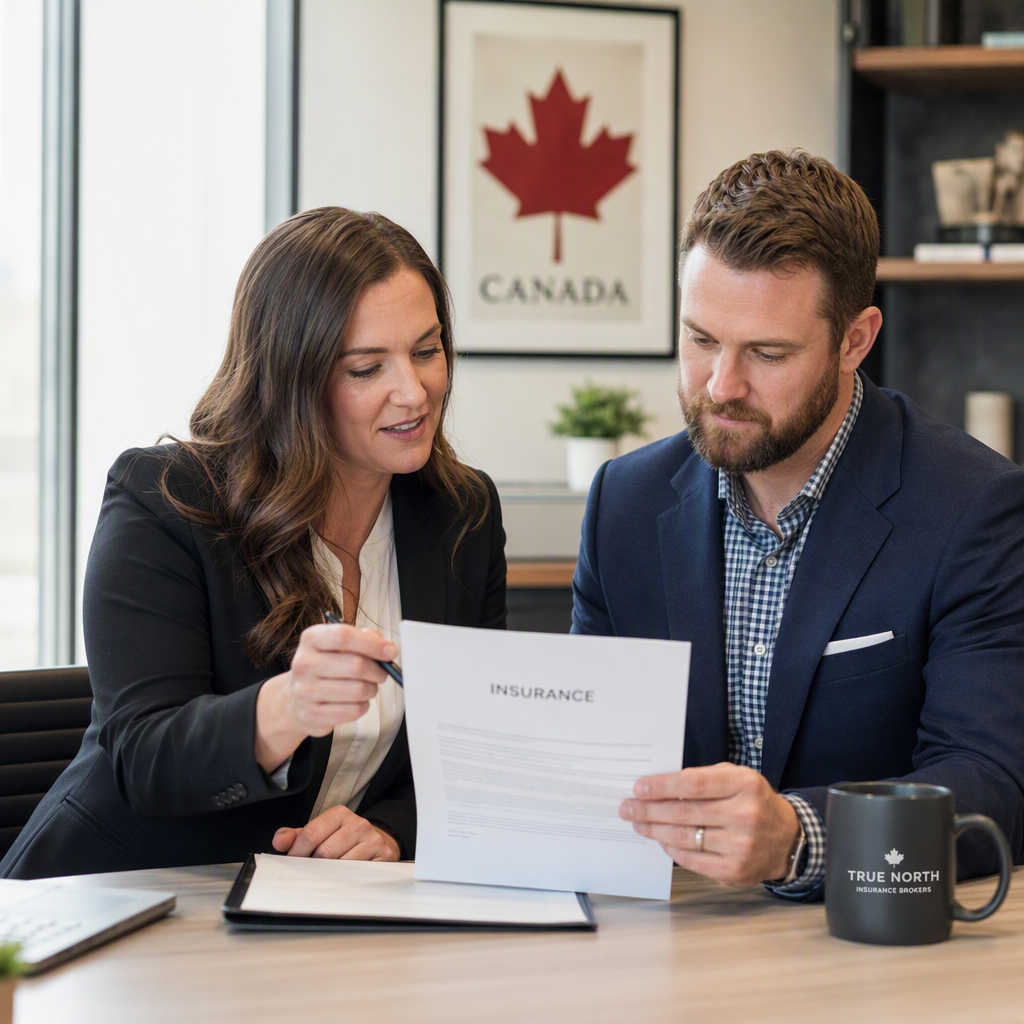
Many owners may need more protection for their specific needs besides the core business insurance. When you run a manufacturing business, you may be worried about claims related to your products. People who do trade work may want to protect their tools and equipment. If you work from home, your personal home insurance may not give you all the coverage you need.
The types of coverage you choose should match the way your business works, what you sell, and where you might face losses. Your business insurance policy needs to show these details. In the next parts, we will talk about some common add-ons and special protections that Canadian businesses often look at for their insurance coverage.
If you make, bring in, share, or sell items, you may need product liability insurance. A customer could say that something you sold caused hurt to someone or damage to their things. This risk can be there for people who make, sell, or ship stuff, work with food, or for any store that sells goods online or in a shop.
This kind of liability insurance can help cover you if:
Some companies put this coverage inside a bigger general liability plan, but some may offer it on its own. You will want to know your coverage limits because problems with products can cost a lot. If you give people real items to use or eat, it is important to check for these business risks and when or how you are protected.
Contractor insurance in Canada often includes more than one policy. If your business is in a trade, you may go to jobs, carry your gear, and work with clients and other people. These things give your business a different risk than if you were just back in an office. The kind of business insurance coverage you need will depend on your type of business.
General liability insurance is important. It can help if there is a third-party injury or property damage claim. If you give advice or help with project planning, you may want to think about professional liability too. Many people also get tools and equipment insurance for their portable things and any machine you rent.
You may use vehicles for your work. If so, you might need commercial auto insurance. Most personal vehicle insurance will not pay if you use your car for your job. Construction workers, landscapers, plumbers, and handy people should look at all these parts together. No single insurance policy covers every risk you could get while moving to jobs or on a work site.
Sometimes the biggest loss is not the damage itself. It is the income you lose while your doors are closed. Business interruption insurance helps when an insured event, such as a fire, forces you to stop or reduce operations for a period of time.
This coverage can support cash flow by helping with lost income and ongoing bills such as rent, utilities, and payroll. In many cases, it is added to commercial property insurance. You generally need property coverage in place before you can add business interruption coverage.

Running your business at home does not take away the risk. Freelancers, consultants, online sellers, or people with side jobs can still deal with property loss, client injury, or liability claims. Many think home insurance policies will cover everything, but that is not always true.
Personal home insurance may help with some work items, but it usually does not cover business property, inventory, or anything to do with business liability claims. If you have a client come to your house and they get hurt, or if your business equipment gets stolen, your home policy might not cover you.
Business insurance for home-based workers fills this gap. It can help pay for business property, what you have in storage to sell, liability tied to client visits, and even lost income after something bad happens. If your work depends on a home office, products, or digital tools, it is a good idea to look at small business insurance.

The right coverage for your needs should be based on your real risks, not just on a simple list. Think about where you work, the people you serve, your team, the tools you use, your cars, the data you deal with, and any agreements you have. A business insurance policy needs to match the specific risks for the way you do your work.
It's also good to look at more than one choice. An insurance broker can talk with you about limits, what is not covered, what you pay before insurance helps, and the cost. This way, your business insurance quote can fit your needs and what you want to spend. The next two parts talk about what changes your choices and how you can compare options for your business insurance online.
No two businesses will have the same business insurance profile. The type of business you have can decide what claims are more likely to come up. A consultant, a retailer, a contractor, and a landlord all face different risks. You will want your policy to match what you do.
When looking at choices, most insurers look at:
All these things change the coverage limits and the cost of business insurance. If your business is seen as high-risk, you will often pay more than a business in a low-risk office. How high your deductible is will also matter. A higher deductible can make the cost of business insurance go down, but it means you will have to pay more on your own if you make a claim.
You can check business insurance quotes across Canada online. This makes it easy for you to save time. You can also see the different options like premiums, limits, deductibles, and exclusions. It is good to know the important facts before you choose a plan for your business. The premium by itself is not the only thing to watch. You should look at all the details.
You should look at what is actually covered in your policy. Here are a few things you need to check:
This will help give you a simple idea when you, like many owners in Canada, want to get business insurance. You can look for a good platform for business insurance to get its fit for your needs. PolicyNinja is one great option to review and compare business insurance quotes in Canada. You can check your options, compare quotes, and find something that works well for your business.
To sum up, getting the right business insurance is important for both new and old companies in Canada. The risks, like lawsuits, damage to property, and claims, are real. The right coverage can help keep your money safe. It helps to know the types of insurance you can get, such as commercial general liability, professional liability, and cyber liability insurance.
This helps you choose what works best for your business. Be sure to think about your industry, how much money you make, and where your business is when picking your insurance.
To make things easy, you can compare business insurance quotes on PolicyNinja. Doing this will help you find good options for your business. You’ll also feel less stress because you know your business is covered. Start now and keep your business safe!
Commercial insurance is another way to talk about business insurance coverage. Small business insurance is for businesses that are not big. The main thing that is not the same is the size, coverage limits, and type of business. Both small business insurance and commercial insurance can have things like liability, property, cyber, and other types of protections.
Business liability insurance is not needed for all companies in Canada. But some sectors or some deals may ask you to have it. If you have workers, most places make you get workers’ compensation. Your business must have vehicle insurance if you use work cars. If you need legal advice, check your province and industry rules.
Yes, you can compare business insurance online. This helps you look at a business insurance quote from more than one provider. You can see coverage options side by side. Many business owners get help from an insurance broker too. PolicyNinja is a place where you can start to compare business insurance coverage online in Canada.

Cindy David, CFP, CLU, FEA, TEP, is President & Estate Planning Advisor at Cindy David Financial Group Ltd. in Vancouver. A recognized leader in wealth management and estate planning, Cindy guides clients with strategic, tax-effective solutions while championing innovation and women’s leadership in the financial industry. She is the former Chair of the Conference for Advanced Life Underwriting (CALU) — Canada’s professional association for senior life insurance and financial advisors that advances education, advocacy, and best practices in advanced planning and public policy.


