›

Running a company is all about balancing growth, handling bills, keeping clients happy, and facing business risks every day. Small business insurance helps protect what you have built if something goes wrong, like a lawsuit, property damage, or if your work stops for a while.
The right insurance policy will help you stop one bad thing from becoming a large money problem. If you are an owner-operator or work with a small team in Canada, it's good to know your choices to make buying business insurance much easier.

Small business insurance is important because problems can come up when you do not expect them. There can be times when events like a client gets hurt, a fire happens, there is a theft, or someone makes a claim about your work. These things cost money, and it is not easy to pay. Business insurance helps to keep your cash flow safe. It gives you and your company more financial security.
In Canada, the types of business insurance you have really depends on how you run your small business. Most small businesses start with liability, property, and professional insurance. After that, they pick more options based on their business risks. The parts below show this in a simple way.
Small business insurance helps protect against business risks like property damage, claims from third parties, and losses of money tied to covered events. This is important because even one accident can cost a lot.
Picture this. A client slips on your stairs and hurts their ankle. Liability insurance can help pay for legal costs and medical bills from injury claims made by people outside your company. If your business is blamed for property damage, liability insurance coverage can also step in. What it covers depends on your policy.
Next, think about the stuff you use every day. A fire could ruin the furniture, computers, stock, or tools in your office or workspace. If you do not have business insurance coverage, you will have to pay out of your own pocket to replace these things. Having insurance coverage makes it easier for you to keep going at work and not worry about big bills coming up fast.
Small business insurance is not always needed in Canada, but some jobs and contracts can make it stick. The rules change based on your field, your province, and who you work with.
Landlords, clients, or groups may need you to have a business insurance policy. An insurance company will ask you about your work, since risk is not the same for every small business. If you work with third parties, showing that you are covered helps you get jobs and keeps contracts in line.
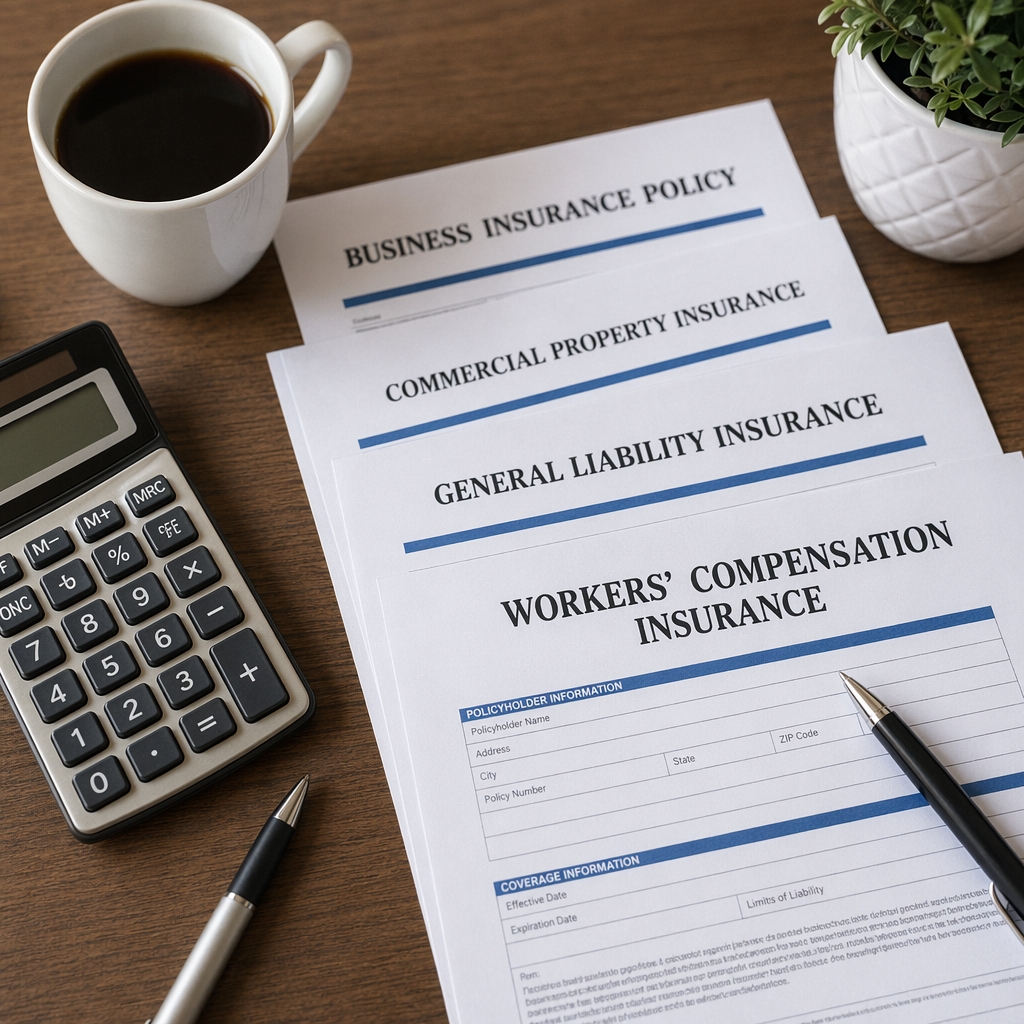
The main types of business insurance each help protect a different part of your work. Some types help cover injuries or damage that happen with people outside your business. Others help keep your space, your things, or your income safe if you have a loss that is covered by your insurance.
A business insurance policy can include general liability insurance, professional liability insurance, commercial property insurance, business interruption insurance, and cyber liability insurance. Each kind of insurance coverage helps with a different problem. The right mix for you depends on your business needs. Here is how the core options work.
Commercial general liability insurance is a type of business insurance that many small businesses in Canada need. The reason is that it can help protect you if third parties said your business caused property damage or bodily injury.
A general liability policy is good for companies where customers, delivery drivers, or other visitors come to your business. If someone slips and gets hurt, the general liability policy can help pay legal bills and medical costs that come from their claim. These accidents can happen in an office, a shop, a studio, or any commercial space you use.
Liability insurance can also help out if people say your business damaged their property. For a lot of owner-operators, commercial general liability is one of the first types of business insurance they get. This is because dealing with the public brings certain risks. If you want good protection for situations that can happen each day, general liability insurance should be high on your list.
Professional liability insurance helps protect small business owners if a client says that your advice, service, or work caused them to lose money. This kind of insurance is sometimes called errors and omissions coverage.
If you are a consultant, accountant, contractor, or run a service-based business, this type of insurance is important. Independent professionals can get claims if they make a mistake, miss something, or do not provide a service as promised. Even if you think you did nothing wrong, you still might have to pay legal fees and spend your time dealing with it.
This is why professional liability protection matters for people in service businesses. It covers you when someone claims you were not careful enough, so you do not have to pay all costs yourself. For small teams or business owners with little money to spare, one unhappy client can cause a lot of stress. Professional liability insurance offers protection when your skills are what you sell.
Commercial property insurance helps to protect the things your business needs to run, like furniture, computers, inventory, merchandise, and other equipment. You use these in your workspace every day.
This insurance coverage is good for you whether you work in a commercial property or in your home. If you get hit by fire, theft, vandalism, water damage, or a natural disaster, commercial property insurance can help cover property damage claims and the cost to replace what you lost. That matters a lot, especially when you have expensive equipment or a lot of stock.
Most owners start by looking at liability but later see that losing their own physical assets is just as hard. If a laptop is damaged, inventory ruined, or your office contents destroyed, work can stop right away. Property protection lets you get back to work faster, and it also stops you from having to pay to rebuild your workspace all on your own.
Common risks small businesses face are forced shutdowns and cyber events. Business interruption insurance helps with loss of income when a covered issue affects your property. Cyber liability insurance covers problems from data breaches and other linked events.
If a fire makes you close to fix things, your bills keep going. Rent, power, and paying workers might still be due. Business interruption insurance can help cash keep coming during this time. Online businesses and companies that keep customer info need cyber liability insurance, since small firms are big targets.
Different kinds of business deal with different risks, so the business insurance you pick should fit the way you work. You may run your small business from home, own a store, drive a trade vehicle, or meet with clients. Each setup has its own coverage needs.
That is why small business insurance is almost never the same for everyone. Independent contractors, stores, and service teams may want different business insurance that works for their commercial purposes. Some businesses also need to plan for things like life insurance. This could be key person insurance or group coverage if their team is getting bigger. Here are the most common types you could use.
Yes, home-based businesses in Canada often need special insurance. A personal home policy might cover some personal work items, but it likely won't protect your business property, liability issues, or any loss of income from your work.
This is important if you meet clients at your home, store products there, or use special tools to make money. A home-based business still faces many business risks. Regular home insurance can have gaps or exclusions. A business insurance policy can help cover these areas that your personal home policy will not. If you offer advice or services, professional liability insurance may also be needed.
Retailers and people who offer professional services in Canada have to deal with different risks, so they need different coverage. The commercial insurance you need will depend on what you sell, where you work, and how you work with small business clients or people in the public.
Retailers often look for liability insurance in case someone gets hurt in their store. They also get property coverage for stock and equipment. If you sell things to people, product liability insurance matters. This is important when a customer says a product caused harm or property damage. Trades may need commercial auto insurance. Many tradespeople also want protection for tools and equipment because they move their gear from place to place.
People who offer professional services often focus more on professional liability insurance. That is because mistakes or wrong advice can bring claims. An insurance company will set the price and coverage to fit the different risks you face. So, every business will need its own mix of commercial insurance, instead of using just one standard package.
Small business insurance in Canada does not have one fixed price. Insurers look at your risk and not just what your business is called. The yearly premium depends on what your business does and how much coverage you want.
The insurance company will check what types of coverage you need, the size of your business, your location, your revenue, how many staff you have, how much experience you bring, and your claims history. Because of these factors, two businesses that seem the same can get very different rates. Next, you will see common premiums and learn ways to save money.
The price of small business insurance in Canada is shaped by your work, your size, and your claims exposure. For many owners, the easiest starting point is a business insurance quote built around their real operations.
A business owner can expect an annual premium to rise or fall based on location, years of experience, gross revenue, employee count, and claims history. The types of insurance you choose also matter. More coverage often means higher costs, though it can also mean better protection when something serious happens.

You can save money on business insurance if you buy only what you need. Take time to compare quotes and look at limits you can afford. The goal is not to pick the lowest price you see. You want protection that works for you and your business.
A lot of business owners wish they did not buy the smallest insurance policy after something goes wrong. Paying less feels good to them at first, but weak business insurance coverage can lead to big financial losses later. It’s good to look at your risks first. Then, you can see what each insurance provider gives, what they leave out, and how much they charge.
Choose the best small business insurance policy by looking at things like coverage, limits, deductibles, and the help you get from the insurer. It’s not only about the price. You need a policy that fits the way you do your work every day.
When you check each insurance provider, do not stop at the first business insurance quote you see. You should look at the coverage limits, main things not covered, and if you can get help easily. PolicyNinja can also help. The reason is its partner network and team of professionals lets you compare life and business options all in one spot.
When you look at small business insurance quotes in Canada, see what each quote covers and what is not included. Check if the limits are right for your business purposes. The cheapest quote might not give you the best value.
Start with the basics. See if the insurance company offers what you need from the business insurance policy. This includes liability, property, cyber, or business interruption cover. Check the deductibles, how claims are handled, and how simple it is to see exclusions in the policy. Some insurance providers focus on certain types of work. If an insurance provider understands what you do, it may be easier to work with them.
You can get a small business insurance quote online in Canada by sharing a few details about your business and reviewing offers from more than one provider. This lets you see the real price for the coverage you actually need.
PolicyNinja is a good place to start if you want to compare business insurance without checking several sites on your own. You can view quotes from different providers, check coverage limits, and talk with a licensed advisor when you need help.
For owner-operators, that saves time and cuts through the confusion. PolicyNinja also covers the life-related side of protecting a business, including personal, corporate-owned, and buy-sell arrangements that keep a company stable if an owner or partner passes away. If you want to compare affordable options and speak with an advisor Canadian business owners trust, visit policyninja.co.
Some mistakes people make with business insurance are getting too little coverage, forgetting important protection, and not keeping the policy updated. Many times, you do not catch these mistakes until you make a claim.
A business owner might not know about gaps in the insurance policy until something happens and the insurance coverage does not help. To be safe, you should look at the coverage limits, check what is not covered, and make sure your business insurance policy still fits how your business runs. The next sections will talk about the biggest things you need to watch for.
One of the biggest mistakes owners make with a small business is not having enough insurance. This often happens when the price is the main worry, and real business risks get overlooked.
When you pick an insurance policy with low coverage limits, you may not be protected if something serious happens. Owners who choose the cheapest insurance often wish they had paid more for better business insurance coverage. This feeling usually happens after they realize how much money they have to spend on legal fees, repairs, or lost income. The same problem comes up when some types of insurance get ignored.
For example, a service company may buy liability coverage but not get professional coverage. A shop might insure its space but not think about the stock or the equipment. You need to look at how you run the business now. This helps you pick coverage limits that fit the way your small business operates today, not how it worked in the past year.
Another common mistake is to keep the same insurance policy even when your business changes. Your business insurance needs can change if your revenue goes up, if you buy new equipment, or if you start to offer more services.
A business owner should look over the business insurance policy often with the insurance company or with an advisor. This is very important if you change locations, hire new staff, take bigger jobs, or start to use a car or truck for work. Insurance coverage limits that used to be enough might not fit your needs now.
In the end, getting the right small business insurance is very important. It can help protect your hard work and your money. With small business insurance, you are safe from many risks that can come up each day. It is also needed by law in some cases. Having the right business insurance can give you peace of mind, so you can put your effort into making your small business grow.
No matter if you have a home business or a shop, you need to know about the main types of coverage. This will help you choose what is best for your small business. Be sure to look at your choices and compare policies, because finding the right business insurance for your budget and your needs will help you a lot.
If you want to look at your choices now, go to PolicyNinja to compare quotes for small business insurance. You can also talk with a licensed advisor there who will help you pick the right types of coverage. Your small business should be safe, so think about business insurance and take action today.
Small business insurance is not always needed in Canada. The rules can change based on your industry, the province you are in, and your contracts. Sometimes, a business owner must get certain insurance coverage to work or to meet what landlords and clients ask for. Even when it is not required, small business insurance coverage can help keep your money safe.
You can get a small business insurance quote online. Just enter details about your company, what you do, and what coverage you need. PolicyNinja helps you compare options from an insurance provider network. You can look over your insurance policy choices and talk with an advisor. Some people also search life insurance broker near me if they want to compare other types of coverage for their small business.
Yes, a home-based business might need its own insurance coverage. A business owner should not think that home insurance covers all business tools, stock, liability, or lost income. Small business insurance can give the types of coverage that personal policies do not have, mainly for client work or goods kept at home.

Cindy David, CFP, CLU, FEA, TEP, is President & Estate Planning Advisor at Cindy David Financial Group Ltd. in Vancouver. A recognized leader in wealth management and estate planning, Cindy guides clients with strategic, tax-effective solutions while championing innovation and women’s leadership in the financial industry. She is the former Chair of the Conference for Advanced Life Underwriting (CALU) — Canada’s professional association for senior life insurance and financial advisors that advances education, advocacy, and best practices in advanced planning and public policy.


