
What Is Adverse Selection?
Adverse selection occurs when people who are more likely to make insurance claims are also more likely to purchase coverage, particularly when insurers have limited information about their risks.
In Canada, adverse selection can affect life, health, disability, and other types of insurance. It happens when applicants know more about their personal risk factors than the insurance company evaluating their application.
This information imbalance can lead to higher insurance costs if insurers cannot accurately assess the risks they are covering.
How Does Adverse Selection Work in Canada?
Insurance companies rely on risk assessments to determine appropriate premiums and coverage eligibility.
For example, suppose two Ontario residents apply for life insurance. One is generally healthy, while the other has a serious medical condition that increases their likelihood of making a claim.
If the insurer cannot identify the difference in risk and charges both applicants the same premium, the higher-risk applicant may receive coverage priced below their actual risk level.
When this happens across many policies, insurers may face higher claims than expected.
Why Does Adverse Selection Matter?
Adverse selection can affect Canadian insurance customers in several ways:
- Higher premiums: Insurers may increase prices when claims exceed expectations.
- Stricter underwriting: Companies may require additional medical information or examinations.
- Coverage restrictions: Some applicants may face exclusions, limits, or different eligibility requirements.
- Risk pooling: An imbalance between higher-risk and lower-risk policyholders can affect overall insurance costs.
How Do Canadian Insurers Manage Adverse Selection?
Insurance companies use underwriting to assess applicants and determine appropriate coverage terms.
Depending on the insurance product, this may involve reviewing medical history, age, occupation, lifestyle, and other relevant risk factors.
Adverse selection is different from non-disclosure or misrepresentation. It can occur without dishonesty, while non-disclosure and misrepresentation involve failures to provide accurate or required information.
Applicants should answer insurance questions accurately and completely.
Compare Insurance Options in Canada
Understanding adverse selection helps Canadians recognize why insurance premiums and eligibility requirements differ between applicants.
At PolicyNinja, Canadians can explore insurance options suited to their individual needs.
Get a Free Insurance Quote to compare available coverage options.


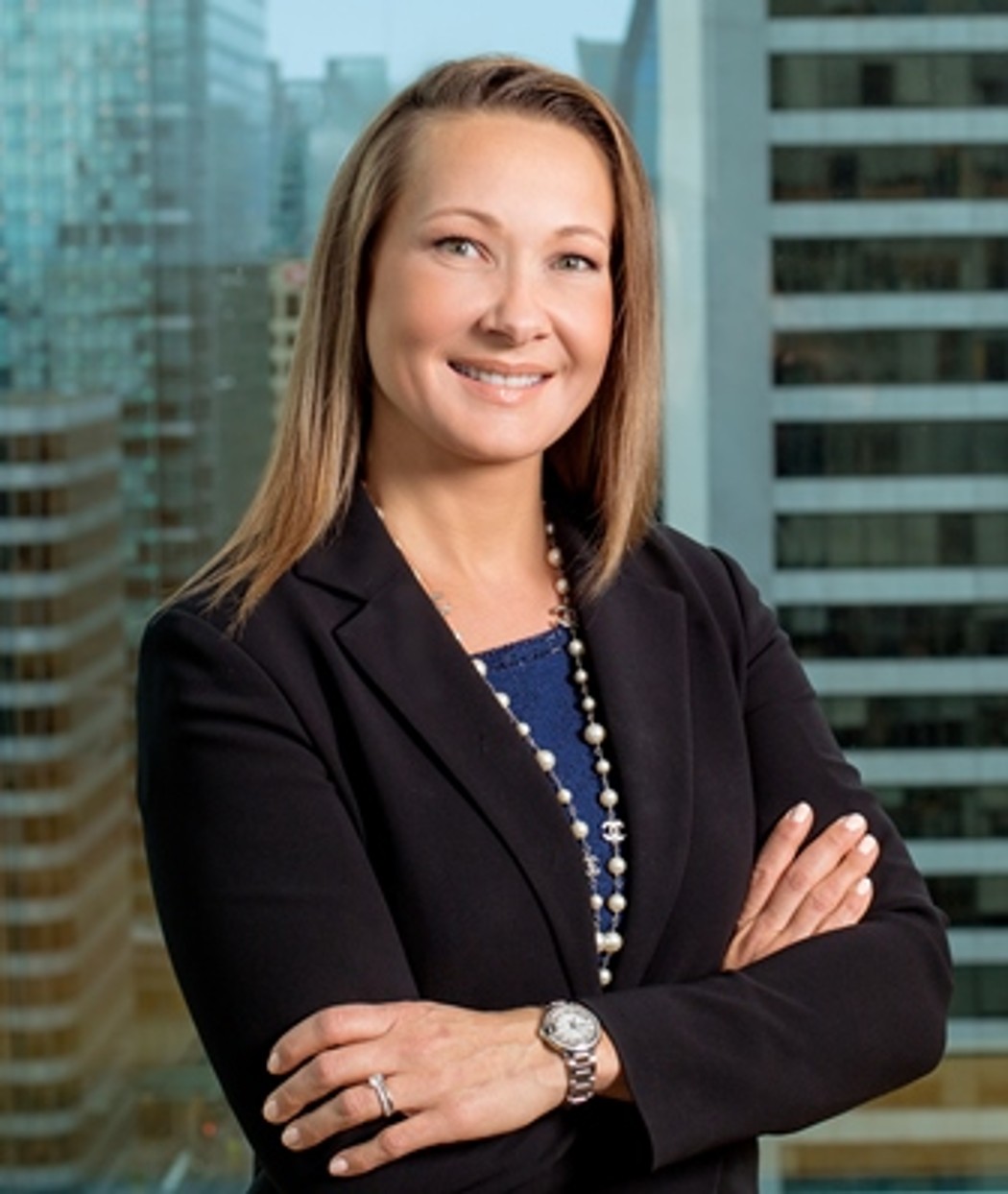
Cindy David, CFP, CLU, FEA, TEP, is President & Estate Planning Advisor at Cindy David Financial Group Ltd. in Vancouver. A recognized leader in wealth management and estate planning, Cindy guides clients with strategic, tax-effective solutions while championing innovation and women’s leadership in the financial industry. She is the former Chair of the Conference for Advanced Life Underwriting (CALU) — Canada’s professional association for senior life insurance and financial advisors that advances education, advocacy, and best practices in advanced planning and public policy.

